It is difficult to understand what was truly achieved at COP 26. After pre-weeks of media to COP 26 and then the concerted media campaign during the week of COP 26 how do we sort the wheat from the chaff or the greenwashing from the truth.
Fundamentally, there is still a long, long way to go. COP 26 was not the breakthrough that was needed. Both the public and private sectors did not step up and demonstrate the urgency that was needed.
Here are my 10 key thoughts:
1. COP 26 was more than blah, blah, blah, as Greta Thunberg said; but, it fell far short of what was needed. It was inevitable that we would fall short of 1.5 degrees Celsius, the question was really how far? The best guess seems to be that the commitments added up to about a 0.3 degree Celsius improvement moving our current likely outcome tracking from +2.7 Celsius warming at 2050 to 2.4 degrees (per Climate Analytics Tracker or CAT). In Climate Actions latest publication, they noted that not only do the commitments fall short of the +1.5C target of the Paris Climate Agreement, there is no single country that has put short term policies in place to put itself on track to its net zero target.
2. Out of Glasgow, there is recognition that this push to improve commitments cannot just happen every 5 years. This is a good move. They are now asking countries to each year look at ratcheting up their targets and actions. For most countries, setting 2030 targets rather than earlier targets is also a way to delay the need to address the problem to the next leadership group whether in the political or private sector arena. Given that the carbon emissions problem is a cumulative problem there should be a further goal of each country committing to a set of annual activities and targets; and, couple this with ‘naming and shaming’ of those that fall short. Ramping up public pressure is fundamental to proper progress.
3. COP 26 recognised that it is vital to solve the biodiversity issue as part of the climate problem even though it has a set of other issues. The reduction of deforestation pledge by 118 countries by 2030 is a start in the right direction. This should be enacted much faster. Nine more years of deforestation is a problem. The devil will be in the detail of the agreement; including, the addressing of illegal logging and the need for reforestation. The three regions of particular concern are the Amazon, the rainforests of Indonesia and the Congo Basin.
4. The announcement of GFANZ (Glasgow Financial Alliance for Net Zer0) having 450 organisations that manage $130tn of private wealth saying they will participate in the financing of the climate challenges is a good start. Mark Carney has made good progress to pull this together. The cynic would say that if there was $100tn of investment opportunities (the size of the climate challenge) that will add 2% per annum of economic growth and they were presented as good investment opportunities who wouldn’t want to be part of the club. The key question is in reality will this result in large scale material changes in investment allocations and what will it also take to make this happen in terms of reporting, policy and regulatory changes, carbon tax, last mile of risk security, etc. The reality is this is a step in the right direction; but, there is a long way to go.
5. COP 26 forgot the oceans which is the biggest carbon sink. Where is the equivalent pledge to deforestation for the Oceans. What never seems to be included in the Net Zero discussion is that the goals required do not consider any indirect impacts of carbon emissions (including other GHCs) that are in carbon sinks on land and in the oceans. Only a very small percentage of GHCs are in the air vs. absorbed in the land and oceans and their biodiversity. The melting of ice and permafrost, the warming and acidification of oceans, and the equivalent of ocean deforestation from over fishing are likely to release GHC’s into the air. There are also other indirect sources of warming that have also not been considered.
6. COP 26 needs to get away from the sole narrative of clean energy and focus on the reality of a practical transition to clean energy. The coal and methane pledges are helpful but are really subsets of existing pledges that should already have been made or identified in terms of carbon emissions reduction to meet the 2030 targets that each country committed to. Countries should be solving not just the optimal future state of energy provision but also the economics of transition vs. the related cumulative impact of emissions. Optimal transition will require continued fossil fuel extractions (hopefully focused on the least climate damaging approach), being realistic on the ideal role of nuclear power and other credible low emission sources, and ensuring there aren’t economically disruptive shortages on the way. Governments have a big role to play in this in terms of creating the right economics of alternative energies (through carbon taxes, subsidies, other policies) and their own commitments to ensuring the appropriate energy grids are in place to maintain steady supply.
7. We still need more discussion on adaptation not just carbon emissions reductions. It has been good to hear that there are now some more realistic discussions on climate that are appropriately also talking about adaptation. The short to medium term economic benefits of dealing with climate change come from adaptation while the longer term benefits are from reaching Net Zero. Developing and underdeveloped countries are primarily concerned about adaptation to deal with the economic consequences of extreme weather. The first things they need are economic assistance to social and economic development to help deal with the ravages of droughts, increased heat, floods, etc. resulting from climate change. These include factors such as access to water, crops which are more resistant to the new climate reality they are facing, and access to 24/7 low cost energy ( and ideally low emission energy) for development. Given that a significant proportion of those in extreme poverty are subsistence farmers specific targeting of assistance programs will be essential.
8. Carbon tax hesitancy. It could be argued that the one thing that would indicate how governments are taking climate change seriously would be the agreement of a global carbon tax, or cap and trade, system. This also includes dealing with addressing the issue of heavy subsidies on fossil fuels in many countries including the United States. The shifting of the relative economics of alternative energies is vital to accelerating the investment in and adoption of new energy consumption habits. There has been no apparent progress on a global carbon tax program.
9. Global North and Global South was not properly recognised in COP 26. In the climate conferences, the Global North refers to developed countries; and the Global South are the developing and underdeveloped countries. The Global North completely dominates both the emission of GHCs and the use of fossil fuels. The global south has a small fraction of per capita consumption of energy; although, they do contain the large and growing proportions of the population. These countries have primary priorities on social and economic development which involves growth in energy consumption before achieving net zero is even considered. Very different programs of climate action should be targeted for common clusters of countries; rather than the chasing of universal agreement on a common set of actions. Why do we keep chasing all countries to sign up to the same agreements?
10. The increased level of stakeholder activism and engagement needed to drive change was not properly incorporated into the conference. There needs to be a much higher level of activism by stakeholders to drive change and hold politicians and private sector leaders accountable. The activism needs to include the public voting out of politicians, the boycotting of companies and withdrawal of funds from irresponsible companies by investors and insurers. In the same way that there needs to be activism there also needs to be proactive engagement of stakeholders in changing their own behaviours with respect to both the shift to Net Zero and addressing adaptation requirements. This means that every individual, town, municipality, city, province, country and region, as well as every other organisation in any form, has the simple requirement of acting themselves. This was completely missed at COP 26 as they tried to focus on newsworthy narratives vs. practical solutions.
As an optimist, I do think that we have the wherewithal to succeed. To do this we need to face the truth, deal with reality, and stop greenwashing problems and challenges. Transparency is essential, programs must be put on the ground and managed to time, results must be monitored, and actions must be taken against shortcomings.
“If we are to have peace on earth, our loyalties must become ecumenical rather than sectional. Our loyalties must transcend our race, our tribe, our class, and our nation; and this means we must develop a world perspective.” Martin Luther King Jr.
Hans Rosling said how can you solve major challenges if you don’t understand the facts. He was a Professor of International Health at the Karolinska Institute and Founder and Chairman of Gapminder Foundation. As a well known and influential speaker on global issues, he used to systematically ask 10 questions to his audience about the state of the world. To his dismay he found that no matter the intelligence of his audience their true understanding of the world fell well short of being even adequate. In fact, their overall scores were worse than what a chimpanzee would score with random picks. His final book, “Factfulness – Ten reasons we are wrong about the world – and why things are better than you think”, dealt specifically with this issue. He was on a mission to save people from their preconceived ideas.
This is the tenth and last blog of this World View series. This series came about as I felt that it was vital to be up to date with the current state of the world across a number of dimensions and develop an integrated world view of where we are and where need to be going. This series was the result of over 18 months of extensive research across a broad range of subjects learning from the works of Nobel prize winners, professors, researchers and well respected individuals. It also involved analysing different databases, reading research and using the power of the web to capture information, understanding and alternative perspectives. I have tried to look at our world in an integrated way and explore a range of perspectives and not just confirm cognitive biases I already had. It is safe to say that my view of where we are and what we need to do going forward at the global level is different from my initial thoughts. What is unchanged is that I remain optimistic. To be an effective leader going forward I believe having a grounded world view is essential. Building successful sustainable businesses cannot be done in isolation anymore.
In the first blog, I laid out what I thought were the three big global challenges that needed to be addressed. Although being more tightly defined, not surprisingly they were consistent with the UN Sustainable Development Goals and the World Economic Forum Global Risk Report. The three challenges as I defined them were:
Decarbonisation and Biodiversity Regeneration
Inclusivity and Fairness
Digital Privacy and Collective Truth
In the second blog, I analysed the components of successful societies. The third blog, set the scene for thinking about the challenges going forward in the context of what should be the social contract for citizens of a society. The next three blogs covered off different aspects of delivering against the social contract – democracy and the role of government, the market economy and capitalism, and the nine waves of technology innovation. Blogs 7 to 9 each explored in more detail one of the three challenges, including thoughts on how to solve them.
This tenth blog explores the keys to unblocking one of the most critical barrier to success, urgency and alignment. It is not a case of not understanding the challenges, shortcomings in our scientific knowledge, a lack of potential solutions; rather it is a lack of urgency and alignment that will make us fall short. And, don’t forget the consequences are immense! Together the challenges are solved by underpinning them with policies, incentives and appropriate stakeholder pressure provided on a timely basis. Given where we are, we know that the current governmental policies and the outcomes of our market economies and capitalism have been inadequate, and therefore, need to change. As Albert Einstein said, “The definition of insanity, is doing the same thing over and over again, but expecting a different result”.
Getting the right balance of incentives, carrots and sticks, across participants that need to change is the biggest challenge. The shaping of them must take place from the supra-national level, to national/regional/local governments, to the private sector, the third sector and to the public itself.
In the last few weeks, we have seen some critical indicators that we are making progress on this topic of urgency at the governmental level. In late April, Germany’s Federal Constitutional Court made a judgement on Germany’s 2019 Climate law which set as a target to cut 2030 carbon emissions by 55% from the level of 1990 and emit no net greenhouse gases by 2050. The Court ruled that the younger and future generations are entitled to “fundamental rights to a human future” and the current legislation results in a “radical burden” post 2030 on future generations that would drastically reduce their freedoms. The government now wants to lift the 2030 reduction target to 65%, and to bring forward the net carbon-neutral date to 2045. In a similar vein, in 2019 the Supreme Court of the Netherlands ordered the government to substantially increase its ambition after it watered down its carbon reduction target.
In Asia, there has been increasing legislation focused on digital censorship, including fake news, coming from a number of countries including Singapore, Malaysia, India and most recently Indonesia. Although, the focus includes dealing with the critical issues of national security, disturbance of public order and the conduct of elections; it can be said that much of the legislation is overreaching.
In the private sector, there is also progress. In a landmark climate case in late May 2021, the Dutch court ordered Shell to reduce its carbon emissions by 45% by 2030 from 2019 levels. This is in comparison to their current targets of 20% by 2030. In the same week, a small activist hedgefund, Engine No. 1, managed to replace two existing board members at Exxon with its own candidates to drive the company towards a greener strategy; and, Chevron shareholders rebelled against the Company Board by voting 61% in favour of forcing the group to cut its carbon emissions. Investors are increasingly taking these challenges seriously.
The cornerstone for making this happen is at the country level where government policies, taxes and incentives set the tone for the kind of society that needs to be built. They need to raise expectations for the private sector, and more diligently think about the social contract which they have with their citizens.
Supporting this are supra-national pressures to get all countries on board with the overall goals of fighting climate change and environmental degradation, and inequality. The UN Climate Change Conference in November 2021, COP26, will be a critical indicator of the level and urgency of ambition to tackle climate change at both the governmental level and by the private sector. There is also the 76th Session of the UN General Assembly in September 2021 which will be looking at the progress against the 2030 Sustainable Development Goals. In addition, ongoing pressure needs to be coming from the G7 and G20 conferences.
In addition, it is the involvement of financial markets, investors and asset managers that control the flow of funds to and from different sectors. The broad pressure points are coming from central banks, organisations such as Climate 100+ and ESG reporting requirements. Momentum is growing; however, the rate of change of aligning investment and financing decisions is too slow and the pressure for faster progress by the companies they are investing in is too light.
As long as boards and executive management are driven by short term strategies, thinking and incentives, change will be too slow. In large US corporates, changing the momentum from a continuously growing level of CEO compensation, from 30-40 times average worker compensation in the 1980’s to the current day level of 300-400 times, based on short term corporate performance to more challenging longterm performance with clear and ambitious impact goals is not in the self interest of these leaders. Boards must be willing to rapidly align the structure of compensation with long term sustainability. The Boards must be motivated to do this by the investors and asset managers; and where appropriate or needed by governmental policies, taxes and incentives. If leaders don’t adopt the need and urgency then nothing will happen. This is both a question of ensuring they are aligned with the priorities and they are leading with the right time horizons.
Finally, there are the citizens, who are also employees and customers, who need to use their voice and actions to drive change and must also change themselves. To do this they need transparency on the environmental and social behaviour of the company that is captured within the ESG reporting requirements. As noted earlier, both the court judgements and the shareholder actions were all triggered by stakeholder activism. More than ever stakeholders (employees, consumers, public, investors, etc.) are increasingly powerful voices that are requiring changes to corporate behaviour and a fundamental shift to responsible capitalism.
If you look at the private sector challenges, at its simplest level there are three dimensions to getting the incentives right and driving impact. Firstly, rewarding value and impact creators. Too much of our economy overly rewards value extractors, including profiting from trading and financial engineering, which adds little to the economy and nothing towards addressing these challenges. The question is, are you adding value and moving towards meeting the outcomes required by the challenges, or are you not contributing or falling short of the outcomes required. For any company or organization, if you have no measurable and relevant impact goals you should be seen as a value detractor regardless of what you are doing. Value creators should benefit in terms of governmental policies, tax levels and incentives in comparison to value detractors. Mariana Mazzucato, a leading economic thinker, has written a seminal book on this topic, “The Value of Everything – Making and Taking in the Global Economy”
Secondly, ensuring a proper balance of priorities across the short, medium and long term horizons. The challenges of climate change, biodiversity and inequality cannot be solved and be properly addressed in the short or medium term; however, investment in factors that have vital long term outcomes are required now. Achieving Net Zero for most companies and all countries will take more than 10 years; but, investment almost certainly needs to start now. Longterm investment behaviour should be rewarded vs. short term profit taking and extractive behaviour. Once again, policies, taxes and incentives are needed to assist in biasing investment returns towards impact focused investments.
Thirdly, addressing the challenges with the right urgency. This defines whether organisations own goals are in line with the timing of the needed/agreed collective achievement of the challenges.
To create urgency and alignment in incentives there are a few key principles. Firstly, the goals and related incentives need to be as simple as possible. Incentives must cover both value creation and impact in a balanced way. Secondly, the goals need to be clear, transparent, timely, measurable and auditable. Thirdly, programs and incentives must be adjustable to new and preferable technological solutions. Although overall long term targets are clear, interim targets and the set of actions to achieve them are not. Finally, incentive design must understand the heavy human bias towards focusing on easier short term goals and rewards vs. not comprising long term targets. It is a natural inclination to back end load change which often is beyond the work horizon of the existing leadership team. Early investment and impact gains are essential for success.
At the governmental level, it is vital that they set the tone in terms of level of ambition, timing and responsibilities. As I often say, uncertainty is the enemy of progress. Clear forward looking and stable policies, taxes and incentives will accelerate the commitment of investment by the private sector. These programs need to create alignment of the private sector with the goals and urgency of them; bias scale investment to meet these challenges; secure government financing to meet their own commitments; and, ensure the right research, development and innovation is happening to solve challenges where no economic solution currently exists.
Rightly so, there are concerns about overbearing and overly complex involvement of governments. However, it is also important to note that pure capitalism does not have a track record of solving these types of problems without the right involvement of governments. Policies, regulations, legislation, taxes and incentives need to set the direction towards outcomes and define the urgency; but not, specify the exact set of solutions. Marianne Mazzucato has defined this as “mission oriented” governmental programs. These activities should be designed to unleash the market power, speed and innovation capacity of the private sector to be the major contributor to the solution of these challenges.
In the second week June 2021, the senate broke their partisanship and agreed a mission oriented spending bill, the US Innovation and Competition Act, of a quarter of a trillion dollars focused on key technology sectors. This was achieved by defining it very much as a way the US can strengthen their competitive and adversarial position with China in key sectors. China has successfully had mission oriented programs to achieve leadership in specific technology sectors, including areas such as solar and electric cars.
So much can be achieved by just putting these frameworks in place, and then allowing innovation, financing and entrepreneurial energy to drive change towards the goals in the most effective way.
Without solving alignment and the creation of appropriate incentives using both carrots and sticks, it is highly unlikely that these challenges can be met on a timely basis.
I hope this series has been insightful to help you build your own World View. In this rapidly changing world, politically, economically and technologically staying abreast of where we are and what is possible is vital for leaders. There are also increasing requirements and expectations in terms of responsibility to have an impact on the key environmental and societal challenges. The need for boards and executives to be on top of the context in which they operate will be an essential component of long term sustainable success. Our collective success and sustainability will be linked to solving the three challenges of Decarbonisation and Biodiversity Regeneration, Inclusivity and Fairness, and Digital Privacy and Collective Truth.
In the last blog, I talked about the critical interlinking of economic growth with technological progress.
There are 3 key themes linked to technological development today. Firstly, the general need for continued investment in research and development. This has driven higher levels of economic well-being and overall economic growth. Economic growth and the level or research and development are inextricably linked. Historically, the majority of investment funding in basic research is provided by the government and other non-business sources. In applied research, the spend is more evenly split between business and non-business sources. Development is dominated by the business sector as they have clear sight on potential economic returns.
Investment in both research and development are needed to continue to drive economic growth. Continuous breakthrough research as well as development spend to innovate new products and services is sustains growth over time. Concern over the reduction in investment by governments is legitimate as the business sectors primary focus is on the later stages of R&D and not on fundamental breakthroughs, such as the invention of the internet.
Secondly, the impact of technology to drive dematerialisation and help solve our challenges of driving our existence on the earth to a Net Zero position in greenhouse gas emissions and address the need for biodiversity regeneration. We need to continue to overcome the Malthusian view of disaster scenarios from exponential population growth coupled with only arithmetic improvement in the utilisation of scarce resources that would periodically cause major crises for the human race – often in the form of major population corrections. In 1968, Paul Ehrlich’s best seller “The Population Bomb” warned of mass starvation and societal upheaval. He warned that the battle to feed all humanity was over. This was coupled with the 1972 Limits to Growth warnings. Technological progress helped to ensure that these major corrections and catastrophes did not happen. However, many of these challenges continue and there is still a lot more progress needed to solve these challenges to move in to a position of some form of balance.
Thankfully, we are now seeing a decoupling of economic growth and resource use, slowing population growth, and an increasing ability to fully overcome the challenges that Malthusian thinking predicted. Along with the dematerialisation, is the current, near term and in sight availability of technologies that can help us shift to a carbon neutral footprint and a declining ecological footprint on land and in the seas.
Thirdly, the development of new technologies vital to contributing to providing inclusivity and fairness across the world. We have made great strides in reducing the levels of extreme poverty which are now below 10% of the worlds population from a level above 40% in 1980. Inclusivity means access to food, shelter, energy, quality health services and education, and to economic opportunities for all. New technologies have and must continue to provide cheaper and more abundant access to products such as high yield drought/flood resistant grains, clean water, continuous provision of energy, new vaccines and medications, internet (included access devices) for remote working, education, telemedicine, etc.
There is a long way to go to providing an improving way of life for the billions falling far short of the basics, let alone addressing the growing issues of inequality. Technology and innovation focused on creating abundance in key areas is an essential ingredient for this this quest. Fundamentally, a core role of technology is the conversion of what’s scarce and making it abundant – eg. energy, water, health, learning, time, money, expertise and resources. The critical components of abundance are dematerialisation, demonetisation and democratisation of technologies. These factors are also drivers of economic growth.
Innovation waves have contributed to economic growth by reducing cost, adding choice, improving the performance of a product, improving the value for money, growing existing markets and opening up new market opportunities; all of which contribute to growth. There are different ways to think of the drivers of growth; but, I like to think of these innovation waves of growth driven by additional forms of value add to the consumer rather than by the specific technology type. I have defined these innovation waves by the benefits they provided rather than the name of the sets of technologies behind the waves. Underpinning these benefits driven new innovation waves has been an increasing availability of finance to further invest in the technologies and related market innovations, and in businesses overall to create and build the markets. I have defined nine innovation waves that we have seen to date. (see Figure 6-1).
Figure 6-1
Each wave has a point where the initial technologies become robust enough to be converted into economic products, and then through further research and continuous innovation they continue to expand market opportunities and drive growth. Perhaps the most well known example of this is Moore’s law on the development of integrated circuits. Moore’s law is the observation that the number of transistors in a dense integrated circuit (IC) doubles about every two years. Aligned to an increase in performance of a transistor has also been the remarkable drop in cost. The combination of the two has driven the affordability of computing power, the capabilities of it to grow and impact almost every market sector and in multiple ways. Computing power is now moving to being ubiquitously available through smart phones. Continuous improvement requires both research and development. In the case of transistors, as noted in Figure 6-2, this requires new technologies to continue to drive the wave. As with transistors, they moved from electromechanical technology through to solid state relay, vacuum tube, transistor and integrated circuit technology.
Figure 6-2
These innovation waves that provide new and different forms of economic growth, effectively layer on top of each other. Innovation then also happens vertically through the integration of different technologies into new solutions.
Starting with the first wave of energy. Energy comes from many primary sources, including coal, steam, oil, hydro, gas, nuclear, geothermal, solar, wind, hydrogen (See Figures 6-3, 6-4). About 27% of this energy is then converted to electricity and delivered through an electricity grid. Energy effectively underpins all economic growth as it allowed the development of industry for mass production and provision of products from consumption. It provides key factors of production such as heating, cooling, lighting, the development and use of production lines. Continuously available energy underpins economic growth. It is what is required to power all other technologies and innovation waves.
Figure 6-3
Figure 6-4
The second technology wave was affordability which was driven by industrialisation (Figure 6-5). This transformed the production of goods from masses of artisans with cottage industries to the mechanisation and use of steam energy to produce goods more efficiently and then on to mass production with assembly lines. This transformed the availability of a product as well as dramatically reducing the cost of the product to create economic affordability. Industry 3.0 saw the introduction of computers, automation, and electronics into production, and Industry 4.0 continues the trend towards automation and data exchange in manufacturing technologies and processes which include cyber-physical systems (CPS), IoT,[31]cloud computing, and artificial intelligence among other technologies.
Figure 6-5
The third innovation wave, I have coined as connectivity which is comprised of two vital components. Firstly, transport which has driven the mobility of resources, people and products which has dramatically transformed the local ability to produce products and source resources and products; and, for the consumer to personally access new products and services. The evolution of mobility has transformed markets and created many new markets (see Figure 6-6).
The second part of connectivity has been the development of communications technology, which has opened up markets from the ability to transmit information to, or market to, larger and larger numbers of people cost effectively. Although, the telephone was invented in the 1876. The mass adoption of the analog telephone did not really start until post 1900. The evolution of communications has been particularly visible post 1980 (see Figure 6-7).
The combination of being informed of what products and services are available and being able to increasingly access and cost effectively purchase them has created dramatic economic growth.
Fourthly, the productivity wave started with the invention of the computer. This began with the mainframe, then the mini, micro, portable computer, tablet and now the smart phone. The driver of this has been Moore’s law (see Figure 6-1). Aligned with the increase in computing capacity there was also the reduction of cost which drove the adoption of computers from a few to making them ubiquitous across companies, large to small, and individuals. The initial focus of computers was on mass replication of simple tasks often related to administration. The use has now moved to all areas of a business including manufacturing, supply chain management, customer service and relationship management, human resource management and enterprise resource planning. Much later in this wave has been the availability of hundreds of applications that sit on our ‘always on’ smart phones and drive our personal productivity.
The fifth wave of de-materialisation has come in many forms from simply reducing material usage, to miniaturisation, to transformation of physical product to digital products, shifts to lower cost and better performing substitutes, to a consumer focus on services and experiences.
The pathways to de-materialize a product include:
Optimize – maximize resource effectiveness by reducing the mass or changing the material types in the product, or improving the utilisation of a product
Digitize – sell and/or deliver the product electronically or virtually
Servitize – sell the utility of the product as a service
A simple example of product dematerialization is the transition in music from physical CDs to digital MP3s to a mobile application for music such as Spotify.
The 6th innovation wave is access. This is the first wave of value derived from the emergence and adoption of the internet with common protocols for communication, connectivity and sharing. In many ways, the internet was seen as an opening up of the world and carried the potential to be a great equaliser. This was the birth of Google with their early mission “to organize the world’s information and make it universally accessible and useful”. Low cost, or no cost, access to information and knowledge from across the world, visibility of goods and services from anywhere in the world and the decline in the limitations of geographic boundaries expanded market opportunities. As a great example, we have seen the Khan Academy and MOOCs (Massively Open Online Courses) such as Edx, Coursera and Udacity delivering education remotely across the world. We have also seen the mobile wallet, such as MPESA in Kenya, transforming the vibrancy and economic opportunities within the slums and for the lives of the ‘unbanked’.
Probably, the best measure of where we are today on access is the global penetration of smart phones (see Figure 6-8). Great progress has been made; but, there is still a long way to go. From today, there will be continuous development of devices, new ways to deliver internet access to more and more remote areas of the world, new generations of cellular networks to change the power and value of access to the internet, and continuously reducing costs of access and usage.
Figure 6-8
The 7th innovation wave is surveillance which is the name that I have ascribed to what many would think of as customer data and big data. Surveillance recognises that the ability to create value is closely linked to the use of data on a timely basis. Real time delivery of value related to product performance, the behaviour of people and changes in their context provides much higher value than lagged delivery of responses. In fact, preventative based services in response to predicted potential outcomes are likely to be of the highest value. A simple example of this would be the automated breaking of a car to prevent an accident. In the health sector, early or at risk identification of cancer vs. later stage identification is transformative in terms of life outcomes.
A broad array of technologies are involved in this wave, starting with observational technologies related to video, audio, text and sensors which could be gathered from devices ranging from smart phones to space satellites. Secondly, there are technologies such as data storage, computing power, and AI that need to take the data, analyse and interpret it and decide what actions, if any, need to be taken. Finally, there will be technologies related to the integrated delivery of the service, such as IoT, to create the value.
The concept of surveillance can be seen from both a positive and negative perspective. On the positive side, it can for example help improve food yields, improve responses to potential tragedies, improve the performance of products and help drive better health and longevity for people. For consumers, it can also improve the timely delivery of information, provide product suggestions, personalise the delivery of news and entertainment, and in general generate value into almost all parts of our life.
The negatives side of surveillance technologies has become particularly visible through the behaviour of Facebook and Google. This is the unknowing gathering and use of private data of private citizens. We have all experienced how apparent private conversations seem to trigger related product offers or serving of content in social media platforms. We have also seen how this deep pervasive knowledge of individuals coupled with fake news is used to attempt to mass manipulate voters on a one to one basis. There is also the potential misuse of genetic information to drive decisions such as the cost of insurance. Surveillance raises complex moral, ethical and legal questions linked to rights to privacy, access to information, use of information and the ability to generate and distribute different forms of false information.
The 8th technology wave is community. This is the recognition of the benefits to the individual and society from thinking and behaving in the form of community. Community comprises three variations – crowd based developments, asset sharing, and community based technology applications focused on solving climate, environment and inequality challenges.
Crowd based applications include crowd sourcing, crowd financing and crowd solving. Crowd sourced applications and open IP are increasingly popular. Examples include the linux operating system, Wikipedia, and GitHub. Github is where over 56 million developers work as an open source community.
Crowd financing is the practice of funding a project or venture by raising small amounts of money, often through the internet, from a large number of people. In 2019, the estimated global market size of crowd funding was $14bn and it is projected to grow to $40bn by 2026.
Using crowds to help solve complex and/or time consuming tasks is increasingly prevalent. This can range from taping into the global community of stargazers to find new stars and constellations, to Elon Musk’s recent $100m prize competition to fight climate change.
The idea of sharing the use of an under-utilised asset is not new. What is new is focusing this idea onto converting private assets into scale businesses such as Uber and AirBnb. This transforms the cost of access to a range of assets and services. Another application is where businesses can benefit from sharing the use of an expensive or complex asset. Cloud, app and SaaS (software as a service) platforms are a great way to do business in a way you couldn’t afford to do on your own, or to reduce the cost of use or cost effectively manage highly variable or unpredictable scalability requirements. These platforms have transformed the costs of starting a new business. In August 2020, Research and Markets issued a report saying that the global cloud computing market was expected to grow from $371bn in 2020 to $832bn in 2025.
With the focus on solving climate, environment and inequality challenges there is increasing attention on serving the underserved and providing real solutions for remote locations. Community oriented solutions will often be the answer. These applications will help address climate based challenges, water access, improving health outcomes, access to continuous energy supply and internet access and use.
The 9th and final wave is customisation. This may sound like a reversion to artisanship; however, it is the concept of mass customisation that can be done at increasingly lower costs over time and reach large potential markets. It is also not personalisation, as in “what colour would you like” or “would you like it gift wrapped”. Rather it may well be something truly unique and relevant. This is the last phase of the trend from mass production to segmentation to specialisation to personalisation to mass customisation. Examples range from precision medicine based on each person’s specific genetic make-up, full configurability of personal products such as Nike’s custom building of shoes (see Figure 6-9), cost effectively digital printing truly unique products, or truly customising SaaS software for the unique requirements of a company.
Figure 6-9
3D printing provides extraordinary opportunities as it moves into even more materials and can produce cost effectively products of different scale. It is already being used in products such as prosthetic limbs and body parts, clothing and fashion, building products, furniture, products for space and aircraft parts.
There is no reason to think that the innovation within each wave has to crest and fall. Continuous R&D will cause new surges of opportunities within each wave. As new technologies are developed within one wave they may well apply to a number of the other innovation waves. We have seen how digital technologies and the internet now touch all the waves. Each new layer of technology can create multiple new opportunities and those opportunities only expand as combinations of technology are put together to create new products and services. The autonomous car movement, that is developing, combines multiple technologies that were developed within different waves – clean energy, electric engines, battery storage, robotics, AI, scanning technology, GPS, etc.
The importance of the inter-relationship between economic growth and technological innovation should be not be underestimated. They both provide fuel for each other. This should not be forgotten as we look to solve the climate, environment and inequality challenges. New technologies and innovation creates solutions and economic growth finances them and creates accessibility.
In my next blog, I am going to talk in more depth about the first of the three challenges I identified in the first blog of this series – decarbonisation and biodiversity regeneration.
“You know capitalism is this wonderful thing that motivates people, it causes wonderful inventions to be done. But in this area of diseases of the world at large, it’s really let us down.” Bill Gates
In my last blog, I tried to emphasize the importance of the role of government in society. Its legitimacy comes from the people; and, to maintain its legitimacy it has to have a clear view of the social contract it needs to deliver against. However, the governments ability to deliver against a credible social contract is underpinned by economic development and growth to drive its financial capacity to provide infrastructure and public services. The main driver of all successful economies has been the market economy and capitalism.
All the strong economies in the world are market economies. The China miracle with a market economy has created consistent high levels of economic growth. It has averaged 9.45% GDP per annum growth rate from 1978 to 2019 driven by the remarkable entrepreneurial spirit and focus on wealth creation of the people. This has been supported by a real commitment to infrastructure development and a strong focus on public services by the government.
A market economy is an economic system in which the decisions regarding investment, production and distribution are guided by the price signals created by the forces of supply and demand. The major characteristic of a market economy is the existence of factor markets that play a dominant role in the allocation of capital and factors of production. Capitalism is a concept integrated with a market economy. It is directed towards making the greatest possible profit for private people and organisations.
Creation of a market economy is one of the key initial roles of a government. There are 7 components to the framework for a market economy.
Profit seeking companies
Free market entry and competition
Strong property rights and enforcement
Absence of central planning, control and price setting
Private ownership of most things
Voluntary exchange
Correction of market failures
Within this framework, there are 5 factors that drive a market economy as shown in Figure 5-1. Firstly on human consumption and wants, Alfred Marshall a leading economist captured the nature of demand, in his 1890 book, Principles of Economics, “Human wants and desires are countless in number and very various in kind….. every step in his progress upwards increases the variety of his needs together with the variety in his methods of satisfying them. He desires not merely large quantities of those things he has been accustomed, but better quality of those things. He desires a greater choice of things, and things that will satisfy new wants growing up in him”
Secondly, technological progress helps address the new and growing desires of a person and where there are new opportunities with customers there are new ways to make more money or openings for new entrants. The profit making goal and opportunity is what drives this technological progress. It helps make products cheaper and better, as well as driving the innovation of new products and services. I will talk in more depth about technology and innovation in my next blog.
Figure 5-1
Thirdly, critical to underpinning the effective operation of a market economy is the efficient movement of capital to where there are opportunities to create value and provide a return to investors. There is clearly significantly more fluidity of finance to opportunities now in the 21st century. Although, the current financial system does have its weaknesses. Returns and rewards are very short term focused and the prime focus of investing and lending is cycling around the financial sector rather than investing in the productive economy. It is estimated that only about one fifth of finance in the US and UK goes into the productive economy. In the S&P 500 today approximately 90% of profits are used for share buybacks and dividends with only 10% invested back in the business. This extractive focus of finance does not help to drive economic growth.
Fourthly on limits to resources, a core part of the effectiveness of a market economy is the efficient movement of factors of production towards producing the most productive goods. The prevailing theory has been that with limits to resources, market driven pricing and the profit motive, these factors help drive the efficient use and allocation of resources. Interestingly, we are now starting to move into a new phase of economic growth that is becoming decoupled from resource use.
Historically, technological progress helped to create more efficient use of resources for any good or service; however, rather than creating a reduced use of resource it resulted in additional consumption in other ways. There was a direct relationship between economic growth and resource consumption. There are now two themes emerging that affect this thinking and the conversation. The first is that we are moving into a world of abundance away from resource scarcity; and the second, is the decoupling of economic growth and resource consumption in developed markets.
Abundance, an idea championed by Peter H. Diamandis a leading thinker on technology and innovation, is the optimistic view that technology and innovation can make rare things plentiful. He cites extensive research where through the use of new technologies costs are dropping 10 to a 1000x based on following innovation curves, such as Moore’s law in the digital space. Energy is becoming more abundant and cheaper as we move to solar and wind technologies. Safe clean water is becoming more plentiful as we are able to desalinate sea water, which is 97.5 of all water, and clean polluted water cost effectively. Food is being produced with less water, less pesticides and less fertiliser. A smart phone is now a communications device that also give you access to the worlds information, books and music. It provides medical diagnostics, it is a camera and video player, a calendar, an atlas and the list goes on. And most importantly it is moving rapidly to be available to everyone.
Linked to and associated with how technology is changing how we live, is the emerging net dematerialisation of economic growth. Importantly, it is the combination of technology and capitalism that is driving the continuous movement of creating new and improved goods and services to sell to as many people as possible. So many people believe the world is getting worse because our brains which are survival oriented focus on the negative things. Yet you just have to look at almost any area and the trend lines are improving (See https://ourworldindata.org which was founded by Max Roser, or research by Peter H. Diamandis).
In research conducted by Jesse Ausubel, Iddo Wernick and Paul Waggoner, they did a detailed study of the use of 100 commodities in the US from 1900 to 2010. Ausubel wrote, “…we found 36 have peaked in absolute size…Another 53 commodities have peaked relative to the size of the economy, though not yet absolutely (see Figure 5-2). Most of them now seem poised to fall”. Similar results have been found in research in the UK. This decoupling of material consumption and economic growth is also happening in energy consumption, co2 emissions, farming and water use. This is the power of technological progress and a market economy driven by a profit motive. It is worth reading “More From Less” by Andrew McAfee to learn more about this.
The combination of dematerialisation and abundance should help allay fears of the need to curb economic growth to address climate change. In fact, driving technological progress and economic growth, which go hand in hand, will be critical contributors to addressing the combination of decarbonisation and biodiversity regeneration with inclusivity and fairness globally.
Finally, and contrary to what many people want to think, the government has an important role in the development and maintenance of a market economy. Capitalism alone is insufficient to ensure the well-being of all members and legitimacy of a society. There is a good reason that there is no example of a successful society based solely on capitalism – a model with a sole profit motive cannot stand on its own in building a society.
Material deviations in any of the first 6 components to the framework of a market economy requires the 7th component – correction of market failures by the government. The break down of free market dynamics will inevitably happen without corrections or response. Examples include competitor concentration, restrictions on market entry, use of economic power to control resources, price fixing, imbalances in supply and demand power, taking advantage of factor labour, disregarding consumer safety and security, etc. To date capitalism has not made moral and ethical judgements on what should and should not be done; governments and the law do have the responsibility for these judgements on behalf of society. Capitalism has also not been concerned with inclusivity and fairness which is a fundamental part of the provision of public goods.
It is worth noting that one key area where capitalism does not work is in sectors where there is asymmetry in information and power between the supplier and the customer. A clear example of asymmetry of power is in markets that are monopolistic in structure. Competition laws are designed to help prevent this. As important are markets where there is asymmetry in information, where the value of information is a critical component of decision making. The classic examples of this are in the pharmaceuticals market and consumer financial services. In the pharmaceuticals market, companies are able to egregiously price their drugs to take advantage of consumers who have limited medical knowledge, coupled with health fears, and limited choice because of intellectual property rights. In the financial services’ sector there are too many examples of banks being involved in mis-selling and taking advantage of the complexity of financial products and the difficulty of many consumers in understanding them. Finally, a new emerging area of asymmetry is in digital and social media sectors, where consumers are not able to comprehend the extent to which they are under surveillance and the ways in which their data is being used. This is about the cost of privacy. All sectors where the consumer is seriously disadvantaged as a result of asymmetry need attention in terms of oversight, regulation, legislation, pricing management and consideration of intellectual property rules.
The nature of government involvement in capitalism is important. Reducing the power of capitalism to create economic growth is not in societies interest. Rather it is about harnessing the power of it to drive the overall well-being of society. Governments should be concerned with red tape, and they need to think carefully about the balance of incentives they provide (carrot and stick) and the mix of regulation and legislation. Keeping government interventions as simple as possible, to achieve the desired outcome, requires continuous adjustments.
There is growing thinking that governments need to move more from reacting and responding to market based problems to shaping outcomes proactively. This shaping can be to ensure there is appropriate attention focused on topics such as climate and inequality, to helping the market drive progress in specific areas such as the shift to clean energy and electric mobility. This mission oriented approach can be seen in Denmark and UK with wind power, the US with solar and the development of electric vehicles (and previously the development of the shale energy sector), and Germany with their Energiewende program to transition to a low carbon and nuclear free economy. China has shaped multiple markets linked to their long time horizon plans ranging from the elimination of extreme poverty to being leaders in electric vehicles and wind powered electricity.
At the same time, it is often in industry’s interest to get out ahead of the government and solve problems that if not dealt with will inevitably involve government intervention. We are now starting to see this more actively especially in the areas of waste management and pollution. For example, the Alliance To End Plastic Waste is made up of nearly fifty major global companies. They have committed over $1.0 billion with the goal of investing $1.5 billion over the next five years to develop, deploy, and bring to scale solutions that will minimise and manage plastic waste, and promote post-use solutions. We are also seeing major groups of investors and asset managers driving ESG reporting and starting to allocate their investments aligned to climate and UN sustainable development goals.
The intense focus on pure short term capitalism that has occurred from the 1980’s is starting to shift towards more aligned goals with society, such as climate and inequality, and creating what has to date been defined as ‘compassionate’ or ‘responsible’ capitalism. This will intensify as corporate behaviour is held to account by stakeholder groups and by escalating government agendas on climate, biodiversity, pollution, inequality and the societal impact of technology. It is also being driven at an accelerating rate by investors and asset managers wanting not just ESG reporting but strategies that integrate action on climate and the UN Sustainable Development Goals.
I don’t believe that there is any reason to think that a longer term focused alignment of corporate objectives with those of customers and societies cannot be as profitable as the long term profit outcomes of corporates with their current short term optimization thinking.
In my next blog, I will look more closely at the importance of technological progress and innovation.
#market economy #capitalism #dematerialisation #abundance #free markets #competition #limits to growth #technological progress #ESG #climate change #UN SDGs @Bill Gates @ Peter Diamandis #Alliance to End Plastic Waste
“Respect for human rights is not social work; it is not merely an act of compassion. It is the first obligation of government and the source of its legitimacy”, Ronald Reagan
Kate Raworth’s diagram of the Embedded Economy (Figure 3-1), with my adaptation, is a useful framework to think systemically about the global context in which we live and critical interconnections related to our economies, societies and the environment. This model shows the key components of the global system with the individual in the centre, surrounded by the components of the economy, which sits within a society and reside in the global ecosystem. This is not a fully closed system as the earth is fuelled by the sun and it also dissipates heat. There is also consumption of scarce resources by society and generation of waste that goes back into the environment. This is the framework or macro-ecosystem that we need to get in balance to be sustainable.
Figure 3-1
Our current system is not in balance! In this Anthropocene era, we are increasing the heat of the planet which is affecting the living world. At the same time, we have been changing land use, displacing and causing the extinction of fauna and flora, depleting finite resources and then disposing of waste matter in unecological ways. We have taken the world out of its most stable 12,000 year period, which has been the period of great human development, into an unsustainable cycle.
This model for driving sustainability does not have the state in the centre as in the case of command economies such as Russia and China with individuals as participants in a state led system. It also does not have free markets and capitalism sit in the centre, as it does currently in the Western world with the overwhelming focus on capitalism and corporates, with the individual or citizen secondary. This also is not a plutocracy model, which as Nobel Laureate economist Joseph Stiglitz describes America moving to a government “of the 1%, by the 1% and for the 1%”.
You just have to look at your life to realise that society has not been properly oriented on citizens. There are occasional exceptions, such as war and the current pandemic, with generate some small rebalancing. A perfect example of this corporate centricity is the public bailout of the financial sectors misdemeanours in the 2008 Great Recession.
This lack of primary focus on the individual is apparent in a myriad of ways. The unequal delivery of public services such as health and education to individuals. The reduction of services levels, or raising of prices, when public services are outsourced. The use of public funds to bail out failing corporates and financial institutions. The inadequacy of financial and legal consequences for currency manipulation, interest rate manipulation and mis-selling by financial institutions. The weak governmental response to pollution and environmental damage. The declining levels of personal privacy.
The primacy of the corporation over the individual also manifests itself in what appears to be small ways; but, are cumulatively substantial. We have virtually no control over our personal information on the web. We are served terms by websites in order to use them that are unintelligible, onerous and leave us no choice but to accept. We see subscriptions from companies that cause term based commitments; yet, companies are able to change their terms of the contract throughout the period. With regulated companies, such as telecoms, we see that it easy to sign up to new services on the web, yet it is incredibly difficult to cancel services and it needs to be done through their understaffed call centers. And the list goes on.
Proper protections for consumers would not allow this corporate behaviour, and it would provide material enough penalties to the corporates that they would not repeat offend. The only way to create a sustainable model is to focus how we operate to be citizen centric and not corporate or government centric.
Individuals are consumers, employees, voters, environmental stakeholders and members of communities. If we are to build a better model of how we operate then we need to define what the social contract that societies should be striving to provide. This provides the moral compass for where we are trying to get to. The other components in the society, in particular the state, the market economy and the financial markets need to be aligned and incentivised to deliver against this target social contract.
The target social contract is the “North Star”, it defines that the individual consents to surrender some of their freedoms, participate in and abide by the rules of the society and submit to the authority (in the case of a democracy to the decision of a majority) in exchange for the protection of their remaining rights, personal safety and security, maintenance of social order, access to employment to earn income, and provision and access to public services. The social contract that I am referring to is the set of expectations that a member of a society should be able to have that is consistent with building a strong, fair and sustainable society for future generations.
The rights of an individual start with the UN Declaration of Human Rights that was signed in 1948 and was adopted by a vote of 48 in favour, 0 against and 8 abstentions. Today there are 193 member states of the UN, all of whom have signed on in agreement with the Universal Declaration of Human Rights (UDHR) by signing at least one of the nine binding treaties influenced by the Declaration, with the vast majority ratifying four or more. Currently, 79 of the countries have independent National Human Rights Institutions that comply with International Standards.
The rights include 30 basic human rights. The foundation of the Declaration are the principles of dignity, liberty, equality and brotherhood. Sitting on these principles are the rights of individuals; the rights of the individual in civil and political society; spiritual, public and political freedoms, and social, economic and cultural rights.
The 17 UN Sustainable Development Goals (SDGs), see Figure 3-2, take these concepts of human rights and add further specificity. Over 90 percent of the goals and targets of the SDGs correspond to human rights obligations. These SDGs defined in 2015 and agreed by over 190 countries, have an agenda and targets set for 2030.
Figure 3-2
It is important to note that across many of the SDGs is the key phrase “for all”. This is a big shift in thinking on what is expected from a society and how the thinking behind the delivery of services is changing. The shift has been from average and median thinking to heterogeneous thinking and focus on the importance of inclusivity, or the elimination of exclusion, and overall fairness. A. Philip Randolph captured this when he said, “A community is democratic only when the humblest and weakest person can enjoy the high civil, economic, and social rights that the biggest and most powerful possess”. It is the focus on ensuring that the world we live in is less plutocratic.
Inclusivity and fairness thinking is not socialist thinking and does not exclude wide ranges of income between people. It does contemplate that everyone has some minimal rights and a right to fair treatment. SDG’s are not the enemy of capitalism; rather they are foundations of compassionate and responsible capitalism which in the medium and longterm will be dramatically more sustainable than short term zero-sum-gain thinking. As I showed in my previous blog, the most prosperous countries are also the most well balanced. Fair compensation, high levels of employment, good health, education and strong social security have multiplier effects on the prosperity of a society.
The Cambridge Institute for Sustainable Leadership, has linked the SDGs into three broad social ambitions and three environmental ambitions (Figure 3-3). These social ambitions revolve around basic needs, decent work and wellbeing.
Figure 3-3
These three needs are vital components of the target social contract; but, there are also additional components required. The pervasive digital gathering and use of data attacks privacy. This capability combined with the proliferation of communications and the ability to personalise and deliver fake news to mislead, misinform and misdirect behaviour is a real societal problem. These real and tangible issues relate to Articles 12 and 19 defined in the 1948 Declaration of Human Rights (Figure 3-4).
Figure 3-4
At the time these were written it would not have been possible to predict the impact of technology. As I noted in my first blog of this series, even now it is almost unfathomable how much data on each person is being gathered and how it is being used. This along with the personalised delivery of communications which can be either true or fake news is creating real cracks in societies. The 2016 and 2020 US presidential elections have provided a real magnification of what can happen. How can a country become so polarised and how can 70% of the Republican voters truly believe there has been massive fraud no matter what the courts say or even what the people who have managed the elections say? The answer is that the information they watch, read and have been fed is different. In democratic countries with only mass media, it used to be that the truth would rise to the top and there would be a common set of information. In most countries, there were also rules on the accuracy and balance of information that was provided to voters to help them make their decisions. False information was filtered out by reputable media and there were rules on the truth of advertising messages. Social media has bypassed this with the ability to push personalised communications that can be either true or fake, and algorithms that reinforce the personalised messages, so there is no longer a common set of facts that all people will see. Is it possible to maintain an effective and stable democracy without a common set of information and facts from which citizens cast their votes?
There is also a fundamental bias of information driven by both mass media and social media. We are increasingly seeing that the public view of what is happening in the world is severely distorted from reality. Figure 3-5 illustrates this distortion perfectly. If this is the case on a subject such as causes of death, imagine the levels of distortion of reality of other relevant topics to the individual. If we believe that transparency, data and facts, and truth is paramount to the individual who is a consumer, an employee, a voter and a member of a society, then this is a fundamental social contract issue that must be solved.
Figure 3-5
Inevitably the ability to increasingly personalise can be both positive and negative. Providing more relevant information or advertising more relevant products and services for consumption can have real value to the individual. However, having information on race, gender, sexual orientation, disability, health, income, etc. can also allow for discriminatory behaviour and pricing for exclusion or to take advantage of an individuals circumstances. With increasing use of AI, which relies on historical data this can help to reinforce old practices. We have seen an example of this in 2018 when Amazon was innocently trying to make their recruitment more efficient and found that because of historical data they continued to reinforce gender bias. The more disturbing use of data is when it provides a company asymmetric knowledge vs. the consumer and they then exploit this opportunity. Asymmetry of knowledge and power has been an age old problem with financial and pharmaceutical companies exploiting their situation making customer the big losers. This problem now has arguably crossed the line with how social media companies and other tech giants exploit consumers and their data to enhance their business and keep out competition. The collection of data is continuing to gather steam and will explode further with the penetration of IoT based devices and the growing levels of information from biotech and neurotech applications. Privacy control must be one of the fundamental rights of an individual going forward.
We are seeing the progressive escalation of concern on the power of the large tech companies, in particular the GAFA group – Google, Apple, Facebook and Amazon – with respect to both privacy, anti-trust and misinformation. The GAFA have between them faced anti-trust challenges and investigations in multiple regions including the US, EU (including individual countries within the EU), India, Canada, Australia, and Japan. Even though fines have been in the billions of dollars this is pocket change for these companies. The focus on getting the tech giants under control will only escalate.
Meanwhile some progress has been made with the GDPR (General Data Protection Regulations) that went into effect in May 2018 in the EU and is helping to set the standards that other countries will move towards. The GDPR regulations do have some privacy related rights related to data deletion, previously known as “the right to be forgotten”; but, this is incomplete. This may be a big step for corporations; but, it is only a small step from an individual’s perspective on rights to privacy.
So, to conclude there are five categories of components of a social contract to create an individual and citizen centric society that can thrive and prosper going forward. As identified above by the SDGs and CISL, there are the three requirements of basic needs, well-being and decent work. The basic needs involve minimum levels of availability and access to food, water, shelter, energy, sanitation, communications, credit and transport for all. It is vital to note that availability and access also included fair pricing. In terms of wellbeing, there is affordable healthcare and education, and equal access to justice, safety and security. Healthcare needs to be comprehensive and should not result in gaps as big as 10 years expected length of life differences at birth depending on which side of the street you were born. The nature of access to education, is about narrowing the gap to affordable and high quality education to provide life and mobility opportunities. This education includes K to 12, University and apprentice/applied educational programs and reskilling. The third requirement is decent work. Decent work comprises living wages, social security programs to assist in managing through out different work situations, being disabled and pension arrangements. Access to ongoing education to provide mobility will be increasingly important as the fourth industrial revolution, particularly with respect to AI and robotics, becomes increasingly pervasive.
Wrapping these three requirements is the fourth component, which is the right to be living in a climate and environmentally sustainable environment. The climate and environmental challenges are both global and local issues. Due to the climate urgency and the potential implications of missing the Paris Climate Agreement target of not more than 2 degrees Celsius increase in average temperature, overall this is the most important component of the social contract. We know we are tracking to hit over a 3 degree increase in temperature. This has critical consequences for different countries including liveability, the local economy, access to food and water, and massive inter-country issues such as environmental refugees. Environmental refugees are also inevitably linked into both economic and political refugees. The refugees crisis can only increase from its current estimated level of 80 million of which 46 million are internally displaced people according to UNHCR. Predictions of 200m or more climate migrants by 2050 are not uncommon. The ripple effects of this should not be underestimated in terms of human cost, economic cost, rising populism and societal destabilisation.
The fifth component comprises the core human rights of privacy, access to facts and the truth, and the interlinked rights of freedom of information and freedom of speech. At the heart of privacy is personal control over all the personal information that is gathered, generated and used in the public arena of the internet and other networks of information. Collective access to data, information and the truth has to be essential. This means that fake news needs to be clearly identified, be managed in its distribution, and restricted in critical areas such as advertising and the social media push of content. Social interaction and discourse needs to have common ground based on truth for societies to operate effectively. Finally, freedom of access to information and freedom of speech is fundamental. The debate around this is rightly growing and becoming increasingly complex with developing factors such as the growth of ‘fake news’, the social media driven and algorithmic based delivery of content, the emerging “cancel culture”, and the growing voice of a full range of minority interests.
Being definitive on the requirements of each of the components of a “North Star’ social contract is complex; but, excusing ourselves and not progressing on them is irresponsible. Each country will need to define their specifics behind a common set of principles for all countries. The vital thing is that we become individual and inclusive centric to how we ‘reboot’ to create more sustainable societies and a more sustainable collective world.
At the heart, the social contract is about solving inclusivity and fairness, which is the solution to the problem of inequality. We can see the urgency to address the growing issue of inequality in many countries. Yet in context, Branko Milanovic, an expert on global inequality, assesses that about 80% of inequality is across countries as opposed to within countries (Branko Milanovic, “Global Inequality – A New Approach For The Age of Globalisation”). Solving multi-lateral problems is exponentially more complex than country problems. I will explore this and inequality in more detail in later blogs.
In my next blog, I will looking in more detail at the role of the government in a democratic society.
#social contract #climate change #global warming #Universal Declaration of Human Rights #inequality #inclusivity #fairness #privacy #digital trust #cyber #mass manipulation #truth #Global Inequality #SDGs #Sustainable Development Goals #Paris Climate Agreement #UNHCR #UDHR #refugees @Kate Raworth @ Joseph Stiglitz @Branko Milanovic @CISL @Google @Apple @Facebook @Amazon
“It is not the strongest species that survive, nor the most intelligent, but the most responsive to change”, Charles Darwin
To address the three challenges, that I identified in the last blog – decarbonisation and biodiversity regeneration, inclusivity and fairness, digital privacy and collective truth – it is worth understanding where we are starting from. Looking at the components of successful countries and societies is a good place to start. Most comparisons of countries are focused on GDP per capita, the growth of GDP per capita, and the unemployment rate. I think we all know that there is much more to life and a society than just these factors. Income is important but there is also health, education, happiness, safety, freedom, fulfilment and purpose.
Lyndon B. Johnson said, ”The Great Society is a place where every child can find knowledge to enrich his mind and to enlarge his talent… It is a place where the city of man serves not only the needs of the body and the demands of commerce but the desire for beauty and the hunger for community…It is a place where men are more concerned with the quality of goals than the quantity of their goods”. The language may not be gender appropriate for today, but the idea of what makes a society is captured.
Yet, as we sit here and watch what is happening around us we know it is even deeper than this. It is the ability of someone being able to go to church or to teach a class and not have any risk of being attacked. It is the ability of someone of BAME origin or any gender to have equal respect, equal opportunity and equal justice. It is the ability of a young woman to be able to travel unintimidated on public transport late at night. It is the feeling that you are safe at home and that your job is secure even though you may different political views. It is not just freedom of thought but also freedom of speech.
In my analysis, I tried to look at successful countries and societies based on a simple composite ranking across a set of factors including GDP/Capita, Exports as a % of GDP, GINI coefficient, life expectancy, mean years in school, democracy index, gender inequality, homicides, and CO2 emissions per capita. On a GDP per Capita basis, the USA is 9th; and surprisingly, from a composite rank perspective, 25th out of the top 25 countries with the highest GDP per Capita (populations over 4 million people). This jars with the American narrative we have been fed over generations; although perhaps not, when we watch with amazement the reducing presence of America globally, the polarisation of the country and its massive decline in global respect, especially in the last four years. More specifically, this is reflected by America’s withdrawal from the Paris Climate Agreement and the World Health Organisation, the levels of social division, the growing gap between the haves and the have nots, the implicit caste system that still to some extent exists, the rapid rise of the public buying of arms and munitions through fears for their own safety and the conduct of the US Presidential Election. Xi Jinping, Putin, Erdogan et al. are salivating as they watch the main symbol of democracy and prosperity in disarray and broadcasted around the world.
The common thread across the top 25 countries in GDP per Capita is that they all have market economies and 23 of the 25 (excluding UAE and Kuwait) have democratic forms of government. It is also worth noting that looking across other countries, there are no strong and progressively developing economies that don’t have market economies.
The top 10 countries (Switzerland, Norway, Sweden, Denmark, Ireland, Netherlands, Singapore, Austria, Finland and Germany) based on the composite ranking outperform as a result of having a much more balanced society. As well as a high GDP, they have less inequality and higher levels of upward mobility, a higher life expectancy, a more educated population, a more effective democracy, better gender equality, lower homicide rates and are more environmentally friendly. I would argue that these countries have been able to create an overall better balance between the role of the market economy and the state, and how they together contribute to the well being of their citizens.
These top 10 countries also outperform across all measures (except CO2 emissions) vs. groups of upper middle income, lower middle income, and low income countries. It should be no shock that these dimensions are all intertwined to create more prosperous and sustainable societies.
Definitions Developed countries – Top 10 overall ranking – Switzerland, Norway, Sweden, Denmark, Ireland, Netherlands, Singapore, Austria, Finland, Denmark Upper Middle Income – Selection of 5 countries – China, Turkey, Brazil, Botswana, Colombia Lower Middle Income – Selection of 5 countries – India, Indonesia, Nigeria, Egypt, Ghana Low Income – Kenya, Bangladesh, Tajikistan, Rwanda, Ethiopia Note: The data is based on simple averages across the countries
If you look at government spend as a percent of GDP across the country groupings in Figure 2-2, small government involvement in the economy is not a characteristic of advanced economies. More advanced economies do have higher rates of taxation and larger investments in the delivery of public services than less developed countries. Looking across the most advanced economies, there is no apparent clear model of the optimal involvement of a government. Most of us intuitively believe that a well functioning market economy should create more opportunities, innovate faster, grow more quickly and therefore have more potential to create a better society across a range of dimensions. Perhaps less intuitive, is that strong delivery of public services and the creation of a well balanced society also appears to be an important contributor to economic performance.
So, what is the role of the government to help create a well functioning society. Lee Kwan Yew, Prime Minister of Singapore from 1959 to 1990, stated, “the ultimate test of the value of a political system is whether that society establish conditions that improve the standard of living for the majority of its people.” He always stated that the proof is in the pudding; rising incomes for the broad middle class, health, security and economic opportunity. Today, I would argue that there should also be a concept of ‘no one left behind’ and an opportunity for all; which would be encapsulated by ensuring that there aren’t rising levels of inequality and there are increasing levels of mobility within a society. In addition, most people would also add responsibility to ensure that society operates in a climate and environmentally sustainable way.
Arguably the primary fuel behind the growth of the standards of living has been the development of market economies and the driving force of capitalism. The personal rewards of taking risks and succeeding and of hard work has accelerated progress and built strong economic foundations to many economies.
Yet, capitalism without frameworks has never worked sustainably. Unstructured accumulation of wealth and power leads to self destruction of a free market economy, exploitation of the masses, environmental damage, and inevitably social instability. Since the 19th century, combinations of legislation, regulations, other frameworks and tax policy have been required to manage against the creation of monopolistic powers and the retention of competitive market sectors. Legislation has been required to deal with slave and child labour and to institute the concept of minimum wages. Rules and requlations have had to be put in place to deal with city air pollution, water pollution, land waste, environmental destruction, the erosion of the ozone layer. Extensive regulations have also had to be put in place to control financial markets. Finally, consumer protection has required regulations and legislation for food and drug safety, minimum product warranties, mis-selling and misuse of personal information.
So, let’s not kid ourselves that unbridled capitalism is in a societies interest. The real question is – what is the right combination of the freedoms of a market economy and the participation of the government. A lighter touch is always ideally preferred; however, in most countries we are still a long way from having the right balance. To move in the right direction and prioritise actions it is vital that there is clarity on what the social contract is within a society. Societies are complex systems and there are no simple solutions. Any individual initiative by either the market economy, the government or the public will inevitably have trade-offs and shortcomings. The UN Sustainable Development Goals illustrate this complexity in living colour with 17 areas of focus and 169 subsidiary goals!
Looking at the most successful societies gives us insights into what they have done and where they have been successful in creating their broad based societal success. R. James Breiding’s book “Too Small To Fail” which focused on the innovative approach of smaller successful countries provides a number of good examples. Examples include Finland’s transformation of their education system, Singapore’s low cost-high quality inclusive healthcare system, Denmark’s leadership in renewable energy, Israel’s building of a Silicon Valley style ecosystem, and the Nordic story on leading in gender balance. These are best practice examples that give guidance on better ways to move forward. The challenge is to move towards these best practices globally and then well beyond.
The three challenges are steeped in the historic practices of our take-make-waste culture, the singular focus on the maximisation of short term profitability and minimally regulated use of technology and data at the expense of the citizen. Each country sits in a different place on the continuum of progress to solving these issues locally. But we should not forget that all three challenges need to be solved also at the global level. Isolated examples of progress against climate will not solve this existential crisis! The context for progress is also now different. There is urgency. There is a recognised need for a unified approach to tackling these issues. There must be an accelerated development and adoption of critical technologies. And, there is a need, and a demand from the public, for a fundamentally more purpose driven, values driven and sustainability focused approach to how we live and how our societies operate.
In the next blog, I want to talk about a framework for solving these issues and the social contract.
We have a choice! Kneel before and be conquered or rise above and turn the challenges into opportunities.
In this third series of blogs, I will be exploring the three big global challenges that we need to address and the role and needs of the individual, the market economy and the state to solve them to move towards a resilient and sustainable world.
As a backdrop to this, and with the most serious threat of climate change to achieve resilience and sustainability, we should see ourselves not as inheritors of the earth from previous generations rather as borrowers from future generations. Our burning platform is the threat to the lives of our children, our grandchildren and future generations.
Overall you can look at where we are from two perspectives. If you were a pessimist, you would say that even excluding what is happen to our climate and CO2 emissions our situation is disastrous. We have about 1 billion people in extreme poverty, of which most are in sub-Saharan Africa, and income and wealth inequality is growing not shrinking. We have an exploding population that started at under 1bn people in 1800 that has reached 7.8bn today and could be as high as 11 bn by 2100. The child mortality rate for children up to 5 years old is as high as 12% in some countries. The life expectancy rate in Africa is about 63 years old which is dramatically below the top countries where the expectancy is over 80 years old. About 13% of our population are illiterate, over 250 million children are out of school and learning outcomes are much lower in countries with low levels of GDP per capita. The level of pollution and waste is continuously growing. We have been over exploiting our resources – energy and minerals. We continue to destroy key forests especially in the Amazon for beef and soy, and in Indonesia for palm oil. People are working too hard. We have too many wars and too much terrorism. There is a large gender gap and real issues of racism. And the list goes on.
The optimist would say, yes but. Yes, there are lot of challenges in the world; but, on almost every dimension we have made significant progress and therefore we should be confident that we can solve the issues that lie in front of us. Despite population being 8 times larger now vs. in 1800, world GDP has grown by about 100 times. In that same period, life expectancy has increased from about 30 years to over 80 years in many countries. The share of population in extreme poverty has dropped from about 90% in 1820 to 44% in 1980 and is now below 10%. The average work week was over 60 hours in the late 1800s and is now below 40 hours. In terms of education, in 1800 about 87% of the global population were illiterate, in 1980 it was 30% and now it is only 13% of the population. School enrolment and attendance is improving every year, as well as mean years of schooling and learning outcomes. Our death rates from pollution, disease and homicides are all dropping. Our farming yields in grain production have allowed us to cover all the needs of a growing higher income population without needing additional land since the 1960s. We have been successfully covering off our increased consumption of fish since the 1990’s with fish farming. Our shift in use of energy use from wood to coal, to oil, to natural gas, to nuclear and now to clean energy sources has helped reduce our pollution rates per kilowatt hour. Just since 2010, solar energy generation has increased twentyfold with wind energy generation tripling. With technology and asset sharing we are dematerialising our spend. Our levels of gender bias are reducing. Almost everywhere people’s lives overall are improving. The optimist would summarise this by saying on virtually every part of our life there is a clear long term learning curve of progress and there is no reason for this to not continue.
Although the positions look diametrically opposite giving us a perspective of two different worlds, both sets of facts are true. It is all about which lens you look through at the world. We have made significant progress however there is still a lot of work to do to make the world a better place. Solving these issues is not just a matter of economics and technology. Its complexity is like creating a beautiful symphony, it requires getting a lot of different musicians to play their instruments in an orchestrated way. The musicians in this symphony, or actors in this play, are us as individuals, the market economy, the state and the third sector. We should remember as individuals we are consumers, we are participants in the different sectors and if activated we are voters that drive our political systems explicitly or implicitly.
No matter which lens’ you look at our situation, there are three big challenges in a peaceful world that need to be significantly progressed to continue our slow climb towards a better place – Shangri-la. If we don’t address them with the right urgency we could be on the slippery slope to an inferno. We are at an inflection point!
I think of myself as an activated optimist. We can solve the problems in front of us if we have the will and commitment, because we do have the wherewithal. To a large extent we already have all the knowledge and capabilities we need; and, for the areas we don’t the technologies and solutions are in sight. Sitting back and naively expecting these challenges to be solved and with the right urgency is irresponsible. Taking the view that these challenges are all someone else’s problem and they will solve it, is misconceived. Everyone can contribute at a minimum by being more thoughtful in their consumption of food and energy, generation of waste and participation in recycling programs, and involvement in their community and society.
So, what are the challenges. Firstly, and with urgency, global warming and collapsing biodiversity. These are two highly interconnected issues and effectively part of the same family of challenges. Global warming is well documented and confirmed to be largely human driven by virtually all scientists. It can be measured in terms of CO2 parts per million (including equivalents for GHG gases such as methane) and the short term impact can be felt in terms of average increase in temperature vs. the industrial average temperatures and the level of weather extremes. We are now sitting at CO2 levels of about 415 ppm (part per million), with the world having fluctuated between 150 ppm and 300 ppm for over a million years. Also, up to early 20th century we have been in a unique 12,000 year period of climate stability – seasons, weather and temperature predictability – that has provided optimal conditions for the human race to spread around the world and develop. Slowing down climate warming also helps to significantly reduce the release of C02 and other GHGs from what will occur from melting ice, melting permafrost and warming oceans. The land, oceans, and ice are large carbon and methane sinks that hold multiples more of these gases than currently exist in our air.
Biodiversity comprises the genetic, species and ecosystem diversity that has developed and helped created this stable environment. It is also what has created the environment for effective carbon sequestration in the land and sea. We are now running at an unprecedented loss rate of flora and fauna which is affecting our food supply, carbon sequestration and environmental stability. The current rate of diversity loss is estimated to be 100 to 1000 times the naturally occurring extinction rate. David Attenborough effectively describes this in his latest book and documentary, “A Life on Our Planet”. The solutions include shifting to regenerative farming, regenerating fishing stocks in the seas, and rewilding land and seas.
The second challenge is inequality. Inequality manifests itself at one level in terms of the extremes in distribution of income and wealth, and the shortfall in the basic necessities of life – food, shelter, clothing, health and education. However, it also is reflected in freedoms, our access to opportunities, and our rights to safety, security and equal justice. Unfortunately, the absolute levels of inequality are significant both within and across most countries and continue to persist. It is no wonder that there appears to be rising social unrest across many countries, LGBTQ+ and BLM movements and many other areas of social concern. Clearly, our market economies and governments have not been effectively addressing these issues. A focus on these issues and adjustments to how governments and market economies operate can solve this situation. There is global consensus that this is a critical issue that must now be solved.
The third challenge is digital trust and mass manipulation. At its base level, this is about privacy and the need for enlightenment and truth in a society. These components are key drivers of freedom, transparency and trust. For a period now we have seen increasing levels of theft of private information, expansive monitoring and surveillance (accelerated during this pandemic), rising populism and increasing distrust of governments. We just have to look at the US elections, and other recent elections, to see evidence of this.
The digital world has provided us with some amazing levels of progress and benefits; but, unfortunately it can have a dark side. This includes the program to monitor, manipulate and control the Uighurs in China and the building of their overall digital social credit system. The Western world has a somewhat equivalent system that gathers all forms of data to make credit evaluations of individuals; good and bad behaviours are judged on risk, reliability and trustworthiness of individuals with respect to financial transactions. The dark side also includes the targeted delivery of fake news to drive votes in democratic elections as is shown in the movie ‘The Great Hack’ describing the use of social media in the US 2016 election and the Brexit vote, among others. A growing number of countries have tech ops groups to drive misinformation and manipulate election outcomes among other clandestine objectives. The targeting and selection of news/fake news comes from intimate analysis of people’s use of social media. The ease with which you can micro target the delivery of real or fake information through social media to shift people’s thinking and behaviour is growing. The fragmentation of truth, the growth of conspiracy theories, a missing common base of facts and increasing levels of misinformation for a population will cause growing problems. Democracy has been an essential component of social progress across the world and needs to be protected. The value of democracy has not been helped by the shambolic display of US 2020 presidential election; thankfully, it appears that is has held up this time. As well as an economic recession we now appear to be in a democratic recession with rising populism and the growth in power of China;
Extensive problems are caused by the social media companies (Facebook, Twitter, Instagram, etc.) which are driven by their advertising business models which are fed by building addictive dopamine generating behaviour for billions of users. Their success is based on gathering every conceivable piece of information about you and combining it with AI to serve you content and create the desired outcomes/behaviour shifts that provides a return to their clients for the money they spend on the social media site. You are the product and the information they have on you includes – every piece of content you generate, every piece of content you look at and for how long, the web of friends and people you interact with, likes, follows, comments, reactions to content you look at and is served up to you, every website you visit, all the times you are on each site, GPS coordinates, etc., etc., etc. At the same time, there is very little control and no direct responsibility for the content they serve you, which may also be content from foreign trolls and bots, conspiracy and extremist groups, and false advertising. The implications on the individual of social media addiction, misinformation, distortion of the real world, breach of personal privacy and freedom is significant and the accumulation of this across whole societies is extremely concerning.
These challenges can be translated into the need to focus on three things. Firstly, decarbonisation and biodiversity regeneration. Secondly, inclusivity and fairness. Finally, digital privacy and collective truth. The first two challenges are well covered off by the UN Sustainable Development Goals (SDGs). The third challenge is recognised and looked upon with increasing concern around the world and is highlighted by the World Economic Forum as one of the key risk factors we are facing.
There are three critical issues to solve in addressing these challenges. Firstly, ensuring there is clarity on the potential solutions for each of the challenges. This concerns having clear solutions that will drive us to address the challenges within the required timeframes. Inevitably, this will be a combination of existing solutions that are already in place but not pervasive enough; existing technologies that are proven but only in early stages of rollout and need to cycle through further generations of development to increase their effectiveness and drive down their cost position; and, emerging technologies and applications that are in sight to be available within the next 10 years or so.
Secondly, to be clear on roles of the individual, the market economy, the state, and the 3rd sector to drive the implementation of solutions. This is very much about finding the right approach that does not disrupt the ongoing innovation and development that has progressed us to where we are today. Probably, the most critical issue is to find the right balance between the role of the state and the reliance on the market economy and capitalism. Within the state there are the supra-national activities and then the roles of the government at the state, regional and local levels. Within the market economy, investors, asset managers, and corporate boards and executives all have vital roles. And, there is also an important role of the individual as a member of the public, a consumer, a worker/contributor, and a voter who has a stake in the outcomes. Finally, there is also the 3rd sector which includes charities, voluntary and community organisations, social enterprises and cooperatives, advocacy groups, think tanks, private research institutes and large philanthropic organisations. We are seeing a growing role of philanthropic groups, such as the Gates Foundation, that are focused on large global problems including health, education, poverty and now climate change.
Thirdly, implementing the incentives and checks and balances to ensure progress is being made to time. The most critical challenge in this regard is to maintain a focus on the actions and time frames agreed in the 2015 Paris Climate Agreement which is to try to keep climate warming below 2 degrees centigrade and targeting 1.5 degrees. We are already well behind the goal as we are currently trending towards a 3+ degree Celsius outcome, so there is a lot of work to get back on track. These incentives, checks and balances need to be keeping the pressure on each set of participants to meet their responsibilities, solve how to make adjustments, and have back-ups to shortfalls.
I think we have a pretty good idea of what we could do for ‘Decarbonisation and Biodiversity Regeneration’ and ‘Inclusivity and Fairness’. The challenges have been understood, potential solutions have been identified and quantified, and the goals have been set within the 17 UN SDG’s and the Paris Climate Agreement. What is missing is a well thought through program accompanied by the commitment, mobilisation, resourcing, incentivisation and monitoring that is required to ensure we meet the goals within the timeframes identified.
‘Digital Privacy and Collective Truth’ perhaps sits as a different type of problem given that is likely viewed more at a national level and within the purview of each country’s political system; yet, it sits within the global scope of the internet and the global footprint of the large social media companies. Privacy and the need for facts and truth are a human right, they are also vital for the effective long term development of a society; however, cyber and all its manifestations are also seen as a new form of, cross border and internal, warfare and mass manipulation.
I will be exploring in more depth, these three challenges – decarbonisation and biodiversity regeneration, inclusivity and fairness, digital privacy and collective truth – along with the roles of the individual, the market economy and the state in subsequent blogs.
“Individual commitment to a group effort – that is what makes a team work, a company work, a society work, a civilization work”, Vince Lombardi
Blog 5 on Post Covid disruption, resilience and innovation
In earlier blogs, we have explored how this pandemic will affect consumer behaviour and how businesses and governments need to respond to build back better to create a ‘new normal’. This final blog of the series will take a macro level view of the way forward and how a coordinated response needs to come together. The Covid crisis does not sit on its own, it is surrounded and complicated by all the other pressures that need to be addressed simultaneously including employment and economic recovery, climate, inequality and geopolitical tensions.
Unfortunately, the end of the crisis is not just around the corner as Donald Trump likes to tout. We are now deep again into the Covid crisis. According to WHO as of 30 October, we are now approaching 1.2m deaths and 45m confirmed cases. Many countries are now going back into a deeper level of lockdown. This looks like we will continue with uncertainty for at least another few months, at which point we will have gone past a year of Covid. The scale of this crisis dwarfs the ‘great recession’ which started in 2008. No organisation should be passively watching what is happening; rather, the focus should be on ensuring survival and then coming out stronger for a ‘new normal’.
One of the critical things that must happen for the post-Covid period, or living with Covid period, is that all the actors necessary for a strong recovery (public, companies, government, 3rd sector) need to participate and move in the same direction. This alignment needs to also work on a multi-lateral basis.
Summarising from previous blogs, at the macro level there are 5 areas where there needs to be a strong aligned response to create a ‘new normal’ (Figure 5-1).
Figure 5-1
Assuming we come out of this period either learning to live with Covid in a relatively normal way or with a massive vaccination program, the most vital area of focus will be economic and employment recovery. In the second quarter, virtually every economy had significant year on year negative growth with Spain and the UK having in excess of a 20% year on year decline. The third quarter will be better than the second quarter, but it will still be substantially down year on year. The ILO (International Labour Organization) at the end of June 2020 had a baseline global scenario of a 4.9% loss of working hours in this second half of 2020 which equates to an equivalent of 140 million jobs. This assumed no second wave of Covid! All predictions involve a massive task to restore the economy to restore employment to previous levels.
The economic damage and loss of employment have hurt the lower income sectors of all economies the most. This crisis has also more adversely affected women vs. men and the younger groups in employment. Addressing this imbalance is essential as well as dealing with all the overall issues of inequality.
What is clear from our current experience, is that there is also significant work to do in both the health and education sectors to create fit for purpose capabilities that can deal with the challenges of repeat disruptive events and move forward providing higher quality and more reliable day to day services going forward. Across all sectors of the government, especially in health and education, digital innovation or the delivery of ‘fourth industrial revolution’ capabilities are vital.
One of the large controversial areas that has significant attention in many countries is the right of governments to impinge on constitutional rights of citizens during the Covid crisis. These rights include, key rights of movement, ability to gather, rights of free speech, rights to gather and use information. There have been a number of situations in several countries, particularly in Germany, where the courts have stepped in on government interventions and defined them as overreaching, unenforceable and unconstitutional. Restoration of these rights will be a critical part of restoring social balance. There are some more insidious things that need to be dealt with that I will cover off with respect to privacy, freedom and democracy in my next blog series on ‘The individual, the market economy and the state’. There will also need to be a restoration of the rights and abilities of companies to do business without the restrictions that have been imposed on them.
The final area and the largest looming challenge, that has not taken a break, is the urgent need to address climate warming and biodiversity. Decarbonisation and recovering biodiversity must be integrated into creating a ‘new normal’ for the living with Covid or post-Covid world.
To create alignment against these factors, ideally requires 4 key components. Multi-lateral coordination, public-private alignment, financing and frameworks and a strong focus on innovation (Figure 5-2).
Figure 5-2
When I first started writing this blog at the beginning of the year, my biggest concern regarding the climate and fairness global challenges was the lack of global coordination and response to these issues. This was then exacerbated by the pandemic. Since the end of the second world war, the US has shown the leadership to help coordinate and bring together the countries necessary to address key multi-lateral challenges across the full range of issues from health challenges such as HIV/Aids and Ebola, to security and nuclear threats, to the need to address the erosion of the ozone layer. They were one of the leaders to set up the UN Nations post World War II.
Unfortunately, under the misguided leadership of Donald Trump, the US has turned inward, moved to an “America First” win-lose focus and escalated geo-political tensions. Let’s see what happens in the elections and the post-election response. The first signal will be whether or not the US finalises their withdrawal from the Paris Climate Accord which was targeted for November 4. For the sake of global progress in dealing with these urgent issues of the pandemic, climate, inequality, and the recovery of a proper democratic process in the US, let’s hope that this is the last we see of Donald Trump in the political arena!
Multi-lateral coordination is often seen primarily as coordination between countries to drive different agendas. The scope of these challenges will require responses well beyond just the political sphere. It needs the involvement of the 3rd sector including of some of the great foundations, such as the Gates Foundation which is working on some of the big issues around health, education and gender equality. And, most importantly, it needs the productive involvement of the private sector (investors and corporations) with their scale, reach, investment capacity and innovation capabilities. After all, in the advanced economies most of the wealth lies with the private sector and this investment capability must be tapped into to help solve these challenges with urgency.
Even deeper alignment of public and private sectors are required at the national level. The pandemic has seen a much higher inward focus than we have seen for decades. Local economies are inextricably linked to the health of the private sector and the support of the government, especially in these Covid times. We should also not forget that the full multiplier effect of the role and services of the government is a substantial part of any countries employment base. This inward focus, and also the self centered national response to the Covid crisis such as the control of PPE, suggests that governments and companies need to rethink their global supply chains and identify where there needs to be more local sourcing. Public-private alignment and partnerships are also required in order to have any chance of achieving progress in meeting the Paris Climate Agreement targets and to make progress against inequality.
The alignment and working together of the public and private sectors requires proactive and productive involvement of the government, key leaders in business and key influential investment groups. It is in the interest of all parties to contribute to the ‘new normal’. It does mean that investors and companies have to be thinking in a longer term context and from a multi-stakeholder perspective. The good thing is that there has been a growing movement in this direction linked to climate change, inequality and the United Nations Sustainable Development Goals. The integration also requires the convening power of groups such as the World Economic Forum, who this summer initiated such an initiative called ‘The Great Reset’.
The need for financing and improving of market frameworks is substantial and of an unseen scale since the rebuilding post the second World War. This includes the recovery of employment and repositioning of economies to meet the needs of the future not the past. We have already invested over 10% of annual gdp in the advanced economies to weather the pandemic storm and substantial new rules, regulations, emergency measures have been put in place to deal with the storm. A lot more money will be required to restore economies, and there will be a need to remove the often oppressive pandemic related rules, regulations, and collection of personal information. And, even more financing and framework adjustments are needed to make sure we can prosper and de-risk our future.
The rebooting of our way of life needs to result in a world that is inclusive, multi-stakeholder oriented, more long term focused and aligned to an environmentally sustainable world. It also need to make a step change in its preparedness for large disruptive events – pandemics, cyber, climate related. To this extent the frameworks (legislation, regulatory frameworks, reporting requirements, etc.) need to be fit for purpose and future oriented. This does not have to be more layers of rules and regulations; hopefully, it will be new frameworks replacing or updating old frameworks and not the further layering of bureaucracy.
The financing requirements of the recovery and the setting of a new normal will be vast. This is going to require the combined financing and investment power of the public and private sectors. As well as further debt financing, governments will need to look carefully at their taxation programs to not only finance the needs for public services going forward but also to ensure that the right frameworks and incentives are in place to drive private investment in the right places with the right urgency. In a number of countries, this would also involve a rethink about the focus of some of the current subsidies; such as agricultural subsidies in the US that are driving mono-crop farming in the US vs. regenerative farming.
Finally, the ‘new normal’ way of life should look and feel very different to the pre-Covid normal. The driver of achieving this is private and public innovation. This is accelerated digitisation of the economy and all its sectors including building remote and hybrid working capabilities, hybrid medical and education delivery. It needs to result in countries predominately driven by clean energy, that have heavily shifted to the electrification of mobility and have significantly changed through the use of AI, sensing and other digital capabilities. Companies need to shift to ‘circular’ strategies and innovation will help them achieve their Net Zero targets. Innovation is also needed to drive large shifts in food production and consumption and the move towards regenerative farming and rewilding. Increasing carbon sequestration on land and in the oceans is a fundamental part of dealing with climate change and biodiversity.
With the convergence of all these challenges, we are fortunate that we have never been better equipped to meet them head on. We already have the technological know how to drive massive change and new technologies and capabilities are well underway to help us complete this shift.
This is a challenging but also exciting time. As Barack Obama said in a UN General Assembly in 2016, “if you had to choose any moment in history to be born, you would choose right now. The world has never been healthier, or wealthier or better educated…” Obama then called on the audience to look with optimism to the future. “Not blind optimism, but hard-earned optimism, rooted in very real progress.”
#Covid #pandemic #WHO #UN #Donald Trump #economy and employment #inclusivity and fairness #health and education #freedom and privacy #decarbonisation and biodiversity #inequality #climate change #net zero #Barack Obama # sustainable development goals #multi-lateral #public-private # frameworks and financing #innovation
“Follow the leaders”, sculpture by Isaac Cordal, Berlin, Germany April 2011 Also known as “politicians discussing climate change”
Blog 4 on Post Covid disruption, resilience and innovation.
This blog will explore the role of the government and how it needs to change to be effective in the ‘living with Covid’ or ‘post Covid’ world.
As I have talked about in other blogs, the context to talk about the governments role is against an individual centric world, which is not a company or government centric view. Individuals are the building blocks of societies. As depicted in Figure 4-1, from the individual in the centre there are concentric circles going out for the economy, society andthe environment. Defining the social contract between individuals and their societies, or countries, sets the parameters within which the different actors must operate and the goals they must strive to achieve. The actors are the market economy, the government, the 3rd sector, and the public themselves. For a longterm sustainable world there must also be a social contract with the earth. We must live within the resource constraints and operating system of the earth to keep it in balance – clearly an area where we are currently failing at on most fronts. Finally, this model implies that the sum of the country/societal models rolls up into an aggregated view which then ideally operates sustainably from an earth and climate viewpoint.
Figure 4-1
The role of the government (the state) that I refer to is against the the model of advanced countries, which are both democratic and market economy driven. Against almost any set of comparative measures analysing country performance, these two factors are key descriptors of success. It is worth noting Winston Churchill’s famous quote on democracy, “No one pretends that democracy is perfect or all-wise. Indeed it has been said that democracy is the worst form of Government except for all those other forms that have been tried from time to time”. The majority of what I discuss would apply in different forms to all countries.
To start, one of the key questions is what is government for? Lee Kuan Yew, Prime Minister of Singapore from 1959 to 1990, stated, “the ultimate test of the value of a political system is whether that society establish conditions that improve the standard of living for the majority of its people. He always stated that the proof is in the pudding; rising incomes for the broad middle class, health, security and economic opportunity. Based on the United Nations Sustainable Development Goals (SDGs), I would overlay onto this the concept of social inclusiveness on core human rights. These rights would include minimum rights related to income, shelter and food; equal access to quality health and education; equal treatment, rights and opportunity; and, freedom of speech and movement.
Based on this definition, we can all see shortcomings in our own countries. This pandemic along with other challenges, including economic, the ‘black lives matter’ and ‘me too’ movements, and the climate and environmental challenges bring to light shortcomings.
It is worth looking at what the roles of the government are in the advanced countries (Figure 4-2). Broadly, there are three different sets of activities. The first set are core roles typically linked to the base functioning of a country. The second set are government roles associated with the provision of public services to individuals. The final set are roles linked to the goal of contributing to the development and stability of the economy and protection of the environment. Not all advanced countries effectively cover all these roles. For example, the US does not have universal healthcare and the provision of education to all children is highly imbalanced.
Figure 4-2
Effective government is complex and challenging at the best of times. We all worry about whether or not the government is focused on the right things, whether or not they are spending their money wisely against the priorities they have set, and what is the true impact of their spend versus the rhetoric we hear.
As I see it, and have noted before, the strategic framework that I set out for businesses is also the same framework for the government (Figure 4-3). This is required of a system based framework.
Figure 4-3
For each role of the government, it ideally should be able to define the economic, social and environmental impact they want to achieve, the delivery model for achieving the impact and the way that it is financed fiscally and/or through debt financing. Wouldn’t it be great to have a government report card against each of its roles so that there was clear accountability!
The pandemic has affected all parts of the governments in most countries in profound ways. Healthcare, welfare and education systems have been deeply affected, tested and come up short in many ways. Public transport systems usage has collapsed. Police forces and the military have been asked to perform different tasks. The levels of economic support provided and demanded are at unprecedented levels. The level of cross border cyber attacks have grown. The need for multi-lateral coordination has increased. And, the list goes on!
As we move, to ‘living with Covid’ and, hopefully then a post-Covid world, reverting to governments previous modus operandi will not be adequate in most countries. There are also other large disruptive factors that have not been effectively addressed; these include, climate change, social fairness and growing geo-political tensions; and in each country, they will have their own additional lists, such as Brexit for the UK. All of this creates a complex cocktail of challenges for governments to focus on going forward.
There are four overall areas for the government to think about (Figure 4-4). Firstly, their role in the welfare of the public, their key constituent. This includes being ready for the next equivalent pandemic, making sure that at all times normal medical treatment can be provided, and solving how to continually improve the quality of healthcare services with an ageing population and tight financial requirements.
There are big concerns over the quality and impact of education during Covid. There is a lot of work to do in understanding digital education delivery and putting in capabilities for either fully remote delivery (for emergencies) or ongoing hybrid education. The opportunity should also be taken to see how education impact can be enhanced vs. the current normal in-person education delivery.
Restoration of freedoms. The pandemic has resulted in significant restrictions on individuals and in many cases undue use of private information. There have been losses of freedom of movement and of socialisation. There have been restrictions on the ability to work with remote working being mandated in many areas. Many countries have put in curfews in locations with high outbreaks. Last but not least, in a number of countries, individuals have had to sign up to apps so that the health authorities can track their movement. There have been requisite loss of freedoms for businesses and organistions to operate. Eliminations of these restrictions and restoration of normal rights is a critical part of moving to a new normal; no one wants a full time ‘nanny state’.
In addition, across all parts of the government, they can make a big impact by ensuring the optimum levels of employment in the supply chains related to their services; this includes, having a careful look at the role of local vs. international sourcing.
Figure 4-4
Secondly, restoring the performance of the market economy. Universally, the performance of the market economy is the key driver to economic growth and the improvement of the welfare of the population of a country. One of the key roles of the government in advanced economies has been to reduce the impact of a recession and contribute to its rebound – economic smoothing. In the post pandemic environment, this includes helping sound economic companies and sectors to recover; looking at challenged sectors and thinking how to assist them in reconfiguring into a successful relevant sector going forward; and, providing stimulus in the form of research and development, and financial support, to key strategic and growth sectors going forward – including driving the green agenda.
Thirdly, investing in infrastructure and public goods to get them appropriately focused for impact going forward and to improve employment levels. With a ‘new normal’ being driven off changes in consumer behaviour, the government needs to incorporate this into the specific requirements and capacities needed for each service they provide. There is also a period of excess resources required for catch up in areas such as the health sector where diagnosis of ailments and treatments have lagged during the crisis.
Building resilience against future disruptions (including pandemics, fires, flood, tornados, etc.) should also not be forgotten. It is very clear that a number of countries were highly unprepared for a pandemic despite everyone knowing that it was a possibility. Just look at the preparedness of countries such as S Korea, Singapore, Japan and Germany and the superior outcomes they have achieved vs. the woeful performance of the US, UK, Spain, Belgium and many South American countries among others who were caught unprepared.
Linked to resilience is the need to shift services to include the use of digital capabilities to improve the efficiency and effectiveness of service delivery as well as resilience. Improved administration efficiency, digital and hybrid healthcare and education delivery are other clear areas. Japan, under its new prime minister, Yoshihide Suga, has just announced a minister responsible for the digitisation of government services.
The other area governments should look at is bringing forward investments that create a multiplier effect on employment and the economy. Climate change is one of these areas, where accelerated investment is critical in any event to help countries meet their Paris Climate Agreement commitments. As with this pandemic, climate change also demands each of the governments to improve levels of global cooperation. Global problems need global solutions.
There are limits to investment capacity, so governments need to make tough choices on where to focus their efforts and then what combinations of the 3 Fs (frameworks, financing and fiscal) they use to stimulate the market economy. Frameworks are regulations and other non-financial mechanisms that the governments put in place to shape markets, drive consumer behaviour, deliver public services and protect individuals and organisations. Clearly, financing and fiscal are the financial mechanisms for funding different activities. To the extent that the government can find ways to help the economy recover without always reverting to financing, then we are all ultimately better off. This could be as simple as re-zoning roads to provide plenty of room for outdoor seating for cafes and restaurants to help them rebuild their businesses.
One of the leading modern economists, Mariana Mazzucato, has been pushing to create/recreate dynamic public-private interaction and the creation of mission oriented industrial strategies. She clearly identifies that the state is instrumental in many parts of our economy, including helping to stabilise and grow the economy, yet the spoils of their involvement is never appropriately compensated vs. the risk. Virtually all the upside where the government is assisting accrues to businesses and their shareholders despite the public (through taxes) taking the risk. Whether the government is helping businesses to recover, helping sectors to reconfigure or stimulating the growth of new sectors, through R&D or investment, the government should be looking for a fair reward structure for their successful involvement. This should help reduce a governments debt burden, and the consequent public tax burden, over time. It should also help drive improved corporate responsibility.
In summary, for each government this is a complex equation of where to spend and how much. The three categories of potential spend are addressing fundamental shortfalls in public services, providing market economy recovery and growth support, and bringing forward government programs that will create a job multiplier effect. Some example areas are shown in Figure 4-5.
Figure 4-5
Integral to the development of a ‘new normal’ is also a society aligned with accelerating progress against our critical environmental challenges of addressing climate change and biodiversity. Clear focused programs on these must be included. As an example see Figure 4-6.
Figure 4-6
Behind all these factors and potential initiatives to restore and progress economies, is the simple truth that uncertainty is the enemy of progress. Having clarity on government actions and programs, confidence that they won’t unsuspectingly change and some forms of longer term certainty that individuals and the market economy can plan on and rely on is critical. This gives individuals and companies confidence, horizons they can plan against, and an improved ability to raise further financing.
“Take these broken wings and learn to fly”, Paul McCartney
Blog 3 on Post Covid disruption, resilience and innovation.
In the last blog, we talked about changes to consumer behaviour as a result of our current and ongoing Covid experience. Whether we end up living with Covid or are living in a post Covid vaccinated world, consumer behaviour will have changed.
Six areas of likely change were identified, see Figure 3-1 and described in more detail in Blog 2, although the scale of these changes are not clear and will vary across countries and customer segments within a country.
Figure 3-1
The drivers of these changes from the Covid experience to date are:
Structural responses by businesses to Covid. For example, policy shifts by companies towards remote working will make changes to consumer spending and ripple through to the retail and service sector around offices.
Structural responses by governments. For example, rules and regulations on crowds and distancing, or adjustments related to public transport and other types of infrastructure.
Behavioural changes linked to actual and perceived health risks of consumers
Behavioural changes linked to economic changes and uncertainties to large sets of consumers
Changes in the attitudes of sets of people with respect to buying locally as a response to seeing local economic distress in combination with a sense of social responsibility and increased climate change concerns
Responses by the government to address potential future health challenges and alleviate the economic recession we have entered. As an example, this would include accelerated investment in moving a country towards ‘greening’ the economy and society.
The increased rate of change of adoption of existing technology applications and introduction of new technology applications
For business, to continue to deal with the Covid crisis, emerge stronger and be on top of these changes there are 6 aspects to running a business that should be top of mind (Figure 3-2). These components are valid for both consumer and B2B businesses.
Figure 3-2
Before we explore the six areas, it is vital that a company does not lose sight of its strategy and what it is trying to accomplish. In my previous series of business strategy, I introduced what I believe is the right strategic framework for the future (Figure 3-3). Having a business purpose that is focused on delivering both a return to investors and a combination of economic, social and environmental impact, is what captures hearts and minds. Engaging the hearts and minds of employees, participants in your supply chain and customers contributes to higher levels of performance and resilience in challenging times. A strategy is also a guiding light around which the changes you need to make and initiatives you need to deliver sit. You want to build a strong business for the medium-long term not just survive the short term!
Figure 3-3
Let’s now explore each of the six activities to help identify opportunities to move forward more effectively. Six months into Covid and I am sure that many businesses are well on the way to making changes and adjusting to a ‘new normal’. I hope some of these factors will add to your plans.
Starting withfinancial stability and resilience, there are 3 areas of particular focus that I want to address (Figure 3-4).
Figure 3-4
Cash is king – For companies that have real concerns about survival, the most important first thing to do is to switch from a prime focus on profitability to a core focus on cash. This combines the focus on revenue and costs with the timing of receipts and payments. Structurally changing the amount of working capital needed in the business can often free up the cash needed to get through difficult times. It also helps a company look in more detail on the specifics of what they are spending their money on, making better decisions on the amount and timing of product purchases for inventory, and the need for new assets and how they might be paid for, such as a rent or a lease vs. outright purchase.
The classic approach to this is to do a 13 week rolling cashflow plus 9 rolling months (12 months in total). To get really focused and extract the most value from this approach the cashflow should be updated on a weekly basis or at least every 2 weeks.
Finance for resilience – If your cash position is not strong and you cannot cover the business challenges through an extended period of time then finding new financing should be a priority. Although in general equity is preferable to debt in times of high uncertainty, if debt is the only answer then you should be looking at increasing your cash position to give plenty of headroom. Remember a bird in the hand is worth more than two in the bush. Banks are notorious for lending you an umbrella when it is sunny and taking it away when it starts to rain; so, be very focused on both the terms of repayment and any covenants on the debt. Before locking in any agreements, be sure there is understanding on the implications of what has been agreed against different challenging scenarios.
If equity is an option, then in general raise a large amount so that there is headroom for a long time and you can ride through potential challenging fundraising times at a later date. It will also allow you to rapidly take advantage of future challenges your competitors may have or aggressively pursue new opportunities. Having too much cash on the balance sheet in the current times is a high class problem!
Scenario Plan – In these times of pandemic disruption, we are now in a non-linear period of change. Extrapolating historic revenue trends is an insufficient approach to financial planning. Building alternative scenarios is the only way. Scenarios should particularly focus on identifying where you might hit critical performance/survival points and what contingency plans need to be in place and triggered as you move towards these points. Creating scenarios over a broad range of outcomes is an essential part of being able to rapidly react to different performance paths, because time is money.
Customer focus is the next area to look at (Figure 3-5) as having a clear approach for efficiently optimising your revenues and contribution is mission critical.
Figure 3-5
Customers First – If the company has been suffering during the pandemic and the challenge is to get back towards old levels of revenues as soon as possible then getting the most cost efficient approach to recovering revenues is what you are trying to accomplish. The simple way to think of customers is that there are three core categorisations to think about – customers, dormant customers and prospects. Customers are those that you currently consider to be ongoing customers and would often be defined as having done business with in the last 12 months. Dormant customers are those that were former customers but are now inactive; consistent with the definition above of customers, these would be customers who have been inactive for at least 12 months. Prospects are potential customers you have never done business with before.
The economics of revenue generation are very different by each of the groups with existing customers being by far the best economically and prospects being the worst. It is true to say that the best way to grow revenues is by first optimising the retention and growth of existing customers. Having to replace customers to stand still is not efficient. Mass product marketing, and not using customer data, will tend to be far less efficient for many businesses.
The likely customer response rates to sales and marketing initiatives are driven by 6 core variables to start with (Figure 3-6). As a company builds experience with targeting, modelling response rates and measuring real results, there should be continuous refinement of the variables.
Figure 3-6
Recency, frequency and monetary value (RFM) looks at the currency and loyalty of a customer. A recent high volume and long term high value customer is the most likely customer to buy from you. For high value – high potential response customers you should be willing to invest more to get them to buy product. For example, you may do a telephone call to high value customers; but, it would be prohibitively expensive to cold call low value dormant customers.
For marketing specific products, you also want to consider channel affinity, timing and product affinity. Channel affinity is the channels of communication and sales channels that have worked in the past with a specific customer. Timing is critical to consider as for example, a product may be seasonal or have specific renewal timing (eg. insurance products). Product affinity is the definition of how close the product you are trying to sell is to historic products that the customer has bought. The closer the affinity, the higher the likely response rates.
For both existing customers and dormant customers personalisation of messaging, offers and promotions will drive up response rates. To drive up the sales value of customers from previous levels you ideally want to know what ‘share of wallet’ you have vs. their full potential with you. This can also be done by evaluating whether low value customers ‘look alike’ with some high value spenders. If you have emails for all customers, subject to GDRP restrictions, then this is an essential low cost communications channel for both existing customers and dormant customers; however, this does not necessarily mean that you should not spend some money to engage in additional ways with high value customers.
For new customers, or prospects, different sales and marketing activities are required. The choice of approach should be linked to the historic cost of customer acquisition and subsequent customer profitability of different sets of activities. It may well be that mass marketing is more efficient than specific targeted marketing at specific prospect segments. If you are doing targeted marketing, then it is valuable to try and profile the characteristics of potential new customers vs. the characteristics of current high value customers (‘look alike’ modelling).
If you have been doing this for some time, with well structured test and control techniques, then you should already be well down the road to efficiently rebuilding your revenues.
Reward Loyalty – In this context, this is about looking for ways to lock in revenue streams for an extended period of time and/or generate pre-purchase revenues to enhance the cashflow and the amount and reliability of future revenue streams. This is effectively looking at alternative business models that will improve your cashflows. You can look at Blog 9 in my Business Strategy series to look at this in more depth. One example of this would be to provide discounts/benefits for minimum levels of pre-payment for future purchases. For example, the Starbucks card generates upfront cash for subsequent use by customers. An alternative example would be to convert an upfront payment to a locked in minimum period of monthly payments. A final example would be to offer a full year’s subscription to a service at a discounted upfront payment vs. the sum of 12 monthly payments. These all can drive improved and/or more reliable cashflows and potentially improve customer retention rates and average revenues per customer.
Listen to Customers – When your business is going non-linear through dramatic shifts in consumer behaviour change – buying habits, use of on-line, and a changing mix of how your customers are spending – then in depth listening to customers on a continuous basis is essential to be able to catch and react to changes as soon as possible. You should use a combination of surveys and in depth discussions to really understand what is driving the changes. The conversations will help you to frame potential changes/solutions to these behavioural changes as well as making your communications more contextually relevant and effective.
Innovate to Retain – With large consumer behavioural changes, more marketing and better messaging alone will not be enough. To retain and grow revenues, innovation across a number of dimensions may well be necessary – channels to market, pricing, packaging, product, services and promotion. Fast effective innovation needs time and attention, robust testing and evaluation, and resource commitment; it should not be an add on to teams that already have a full workload. If you need new skills sets that are not available internally, outsource to make sure that you start well down the experience curve; this is especially important if for the first time you are moving to on-line selling and marketing.
Remote workingis a vital capability for flexibility and to be able to always operate. The pandemic has highlighted this. No company can afford to be without this capability. I have identified 3 key areas to highlight (Figure 3-7).
Figure 3-7
Shift to Hybrid/Remote Working – Remote or hybrid working is not new. Since the beginning of the digital era, the shift started with sales teams, outsourcing services and online selling. Many companies realised that if you move to flexible workspace and allowed some remote work that you only need about 65% of the desks and generate huge savings on office space. The pandemic has made companies realise that remote working is also a resilience capability.
The pandemic has also helped companies test which activities work effectively remotely and which ones don’t. In general, it seems that all types of creative work can be much more effective in person and socialisation between people is an integral part of building effective working relationships. Of course, from a human perspective there are lots of other dimensions that need to be evaluated from the convenience and saving of commuting time, to the inherent need of all of us for socialisation and to the higher challenges of the lower income employees who have less space at home to be able to have a productive working space.
If employees need to work from home then the company needs to ensure that they are equipped to do so with mobile phone, portable computers and screens, adequate internet etc. and, if necessary, adequate space to work. Behind these capabilities for individuals is often the need for a set of team based tools that share calendars, improve productivity and communications, track output and ensure security of data. Solving the ecosystem of how the business works effectively remotely is critical.
Move to the Cloud and SAAS – The cloud and SAAS (software a a service) are great enablers for businesses today. They are the core enablers of enterprise wide hybrid and remote working. You can reduce the need for large tech teams to run your IT infrastructure and variabilise your costs and as we well as adding remote capabilities. Why not allow experts at storage and retrieval, and experts with intensive sector wide applications worry about the applications for non differentiating parts of your businesss in a way that you could not afford to do.
Almost all large companies, that have not already switched, will have a ‘not invented here’ issue with their tech teams and be defending their realm. In a few cases, their in-house systems may drive competitive advantages; but, in most cases it is the fear of change and the idea of technical debt arresting progress rather than the potential benefits of new applications. Do you really think that internally you can build a better cloud at a lower full cost than Amazon, Microsoft, Google and IBM? And, do you think that you can build a better set of customer facing application than Salesforce.com for example? Have a look at their development budgets that you are competing against. Many of these cloud and SAAS applications have already built integrations between them, so the prime focus of attention is the setup, and in some cases customisation, of the solutions to get the full business benefits.
Test and Learn – Going remote may sound easy and it’s just about technology; however, this is all about trying the create the right set up to optimise the interaction of people within the business and with other key third parties. The goal should be to create a new level of performance and not just replicate the in-office approach to work. The measures of success aren’t just on short term performance and productivity measures, the new way of working must also outperform in attracting and retaining the best employees. The company needs to test and learn to find the right people processes and the right tools. The processes need to include the right daily interactions, both task and social oriented, and involve the right tools (eg. Slack) for communicating and interacting.
People, process, and cost efficiency need close scrutiny when a business takes a revenue hit and the dynamics of doing business change. It is essential to see how to offset the revenue hit and shift to the right capabilities going forward. Figure 3-8 identifies three areas to cover off.
Figure 3-8
It is easy to ‘slash and burn’ costs and forget about everything else if you are in fear of failing; however, it is useful to be clear on why the company was successful up to the time of the pandemic. Inevitably, it included a combination of the people, the culture and the processes, among other things, that got you there. Don’t forget, it is many of the current components that will also help you to rebound. I also encourage you to consider how to minimise the social cost you may generate by how you address the short term challenges. We all need to face up to the economic, social and environmental challenges around us and do our part.
Share the Pain – Philosophically and practically, each company lives within an ecosystem. That ecosystem involves the company, and all the parts within that organism, and all the other interrelated companies in the supply chain and support sectors. At the extreme for example, if you are running a ‘just in time’ manufacturing operation, then you are completely reliant on the supply side from raw materials to components moving through the supply chain to time; and, if anything disrupts this timing then your business suffers. Against this context of an ecosystem, then any cost reduction activities needs to also consider the implications across the performance of the ecosystem.
When you are looking at cost reduction opportunities, you need to look at all the places that costs can either be taken out, reduced or renegotiated. Depending on how you approach this you can win or lose friends in this process. Maintaining trust, respect and loyalty from those in the business and those you do business with is a key part of the decision making. This is where ‘sharing the pain’ comes in. If people see that the pain is being shared and thoughtfully distributed rather than inflicted on an easy victim you will often be better off. The ruthless exercise of power over a weaker but important supplier does not translate to long term loyalty and reliability; however, displaying an understanding of their situation and trying to solve the problem in a constructive way does.
In the same way, with the potentially devastating impact on certain people from the loss of employment, agreeing that everyone will take a short term pay cut to preserve employment and allow the company to rebound more effectively may be a better answer to dismissals. Shared pay cuts should ideally come in the form of higher pay cuts to the higher paid, or at least the executive teams, whose lives are less affected – this is leadership and an understanding of social impact!
Understand Mission Critical – As businesses evolve in good economic times, it is easy to be less focused on understanding the full relationship of incurring additional costs and the related benefits to revenue and profits. There tends to be a growing pool of ‘nice to have’ vs. ‘need to have’ activities.
In challenging times, getting back to the basics is essential. Start by being very clear on what is critical to attracting and retaining customers, and ideally growing the revenue per customer. With this in mind, then the best way to do this, with the least negative impact, is through process mapping to simplify, speed up, reduce waste, reduce process breakdowns and cut costs. This is the constructive approach to cost cutting.
Leverage with Technology – Across all processes, it is worth looking at where technology could fit and what SAAS (software as a service) applications could be used. The goal is to explore reductions in time, improvements in quality, and reductions in human involvement. There is every reason to believe that there are opportunities in all functional areas. They can range from scanning invoices and automating entry into accounting systems, chatbots and customer self service opportunities, tools for customer relationship management and automated marketing, project management software, HR applications, etc. Many people will be surprised at the extent of opportunities to automate and improve processes with technology.
Customer and business analyticsare most valuable in times of change. They should be embedded in how a company works. There is a lot of talk about KPI’s, balanced scorecards and customer analytics; however, too many companies fall short of what is really required. Every year, the ability to generate or collect information so that a business can be run on facts improves. The faster you receive information the faster you can make informed decisions. There are four key topics (Figure 3-9) to cover off that really make the difference.
Figure 3-9
KPI Driven – Over time I have seen too many companies at the executive level over focus on financial based data; yet, the financial data is the outcome of customer, operational, process, and HR based activities. To take decisions, key information needs to be linked to the root cause of what needs to be managed. Building effective dashboards is not easy but it is invaluable. Cascading down KPI’s is what helps create the linkages between decisions at the top and impact at the coal face.
Continuous Market Analysis – In challenging and uncertain times, being on top of shifts in consumption and customer behaviour and then being able to react is essential. Being able to discern seasonal variations and general volatility from new trends in consumption is the critical skill. This is often helped by active discussions and feedback from customers and prospects.
Integrate with Rapid Decision Cycles – Analysis without consequent decision making has little value. As an example, in the retail fashion sector in the early 1990s many product and sourcing decisions were made typically at least 12 months before the start of the season. Then Gap innovated to move to 6 week cycles of decision making with the finalising of product and volume decisions much closer to the period; and now, Zara can turn around product within 2 weeks to take advantage of in season trends. This type of capability transforms the performance of a business by ensuring the business is not laden with excess inventory, minimising lost sales by taking advantage of high selling items and adding new high selling product in season. Think about the analogies to this in your business.
Speed, agility and innovation is what underpins a company’s ability to react in difficult times and succeed over time. The four components to examine are set out in Figure 3-10. In technology companies, we continuously witness updates in applications and the developments of whole new versions of software and hardware. With Apple, we are on iPhone 11, Apple Watch Series 6, and the Mac OS Catalina soon to be Big Sur. An ability to continuously raise the bar on what you deliver to customers keeps competitors chasing you rather than the other way round. Businesses in all sectors need these capabilities.
Figure 3-10
Shift to Agile Management – Agile project management is the most common way that companies undertake software development. It is an iterative development methodology of breaking down development into discrete sets of deliverables, often with a time frame of about 2 weeks, that rapidly speed up development. It also more often than not, does not require the full definition of the end product; rather, that becomes clearer as the team goes through each cycle and incorporates continuous learning related to the end product or service.
The concept of running a whole business also on rapid cycles with clearly defined deliverables is gaining steam. It creates a winning mindset and approach to the business by a management team that is so much more powerful than a standard monthly routine. In some businesses, such as certain retail sectors, it may be better to run on weekly cycles in certain parts of the business.
Fact based decision making – There is no reason to make decisions without facts anymore. That is not to say that you do not also overlay judgements based on analysis of the future. Facts include both internal information and external information (customer, market, competitor, etc.). The critical point to focus on is that agile management requires very current feedback; and in times of great change, such as these, external dynamics can shift very quickly. Just as in retail, you need to be able to identify the hot new products, brands, and shifts in purchasing focus as early as possible. Trying to save money by using less current external information is usually a ‘false economy’.
Stand Alone Innovation Team – In my experience, from running many companies, effective innovation can only be achieved with proper resource dedication and commitment. Without resourcing away from the black hole of day to day management and challenges, the speed of innovation is inevitably compromised. Innovation needs to be seen as mission critical as day to day performance.
Learning Curve Driven – ‘Fail fast’ is the common phrase for companies that are truly learning curve driven. The faster you learn the quicker you can go down the learning curve. This is an essential part of smaller companies outperforming larger slower companies. To effectively learn and push the envelope further and faster culturally, it must be acceptable to fail and not a negative on a person’s performance.
Leadership sits on top of the drive to change, the sets of market initiatives you pursue, and the new capabilities you put in place. The key mindset is to see the unsettling of markets and operations as an opportunity. Leadership needs to think like an attacker not and incumbent. They need to be thinking about new opportunities, new markets, new ways of doing things, new applications of technology and leading with empathy and inclusion. For most people, change is uncomfortable; however, for leadership it needs to become a way of life and a challenge you look forward to conquer.
The next blog, will explore the implications for governments of the post Covid, or living with Covid world.



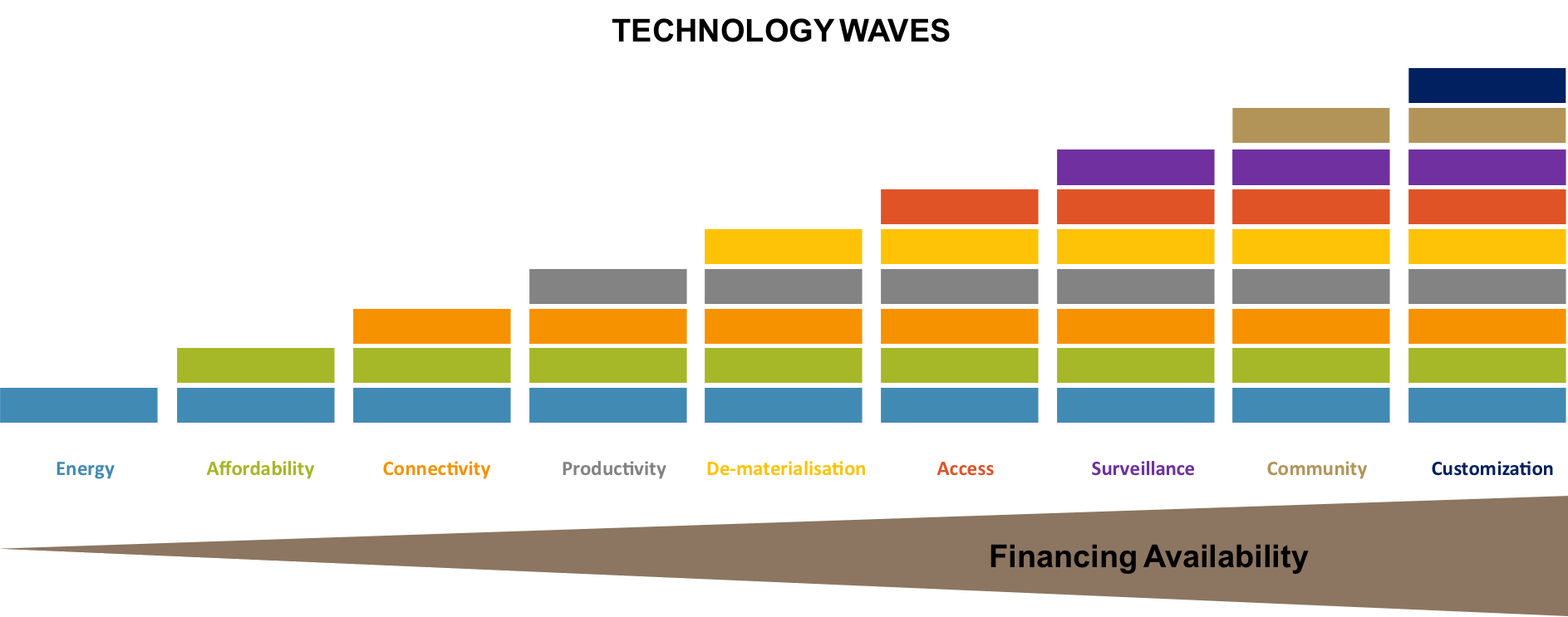
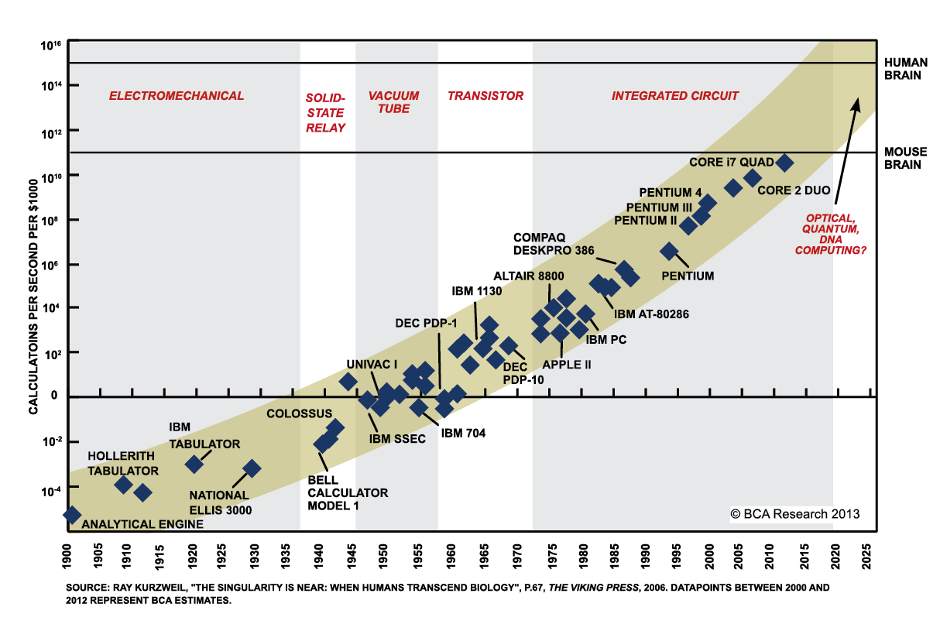
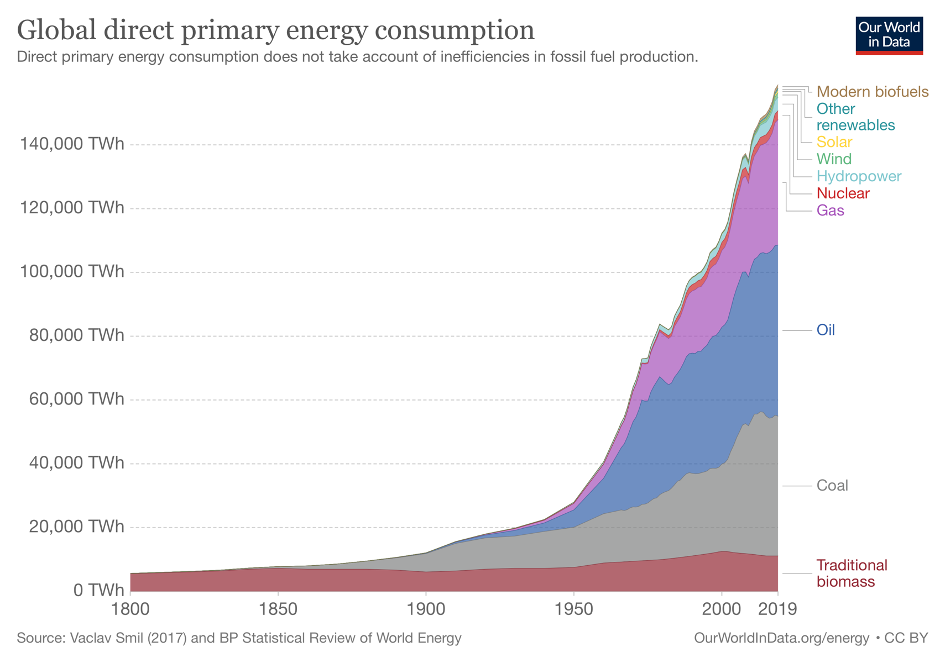
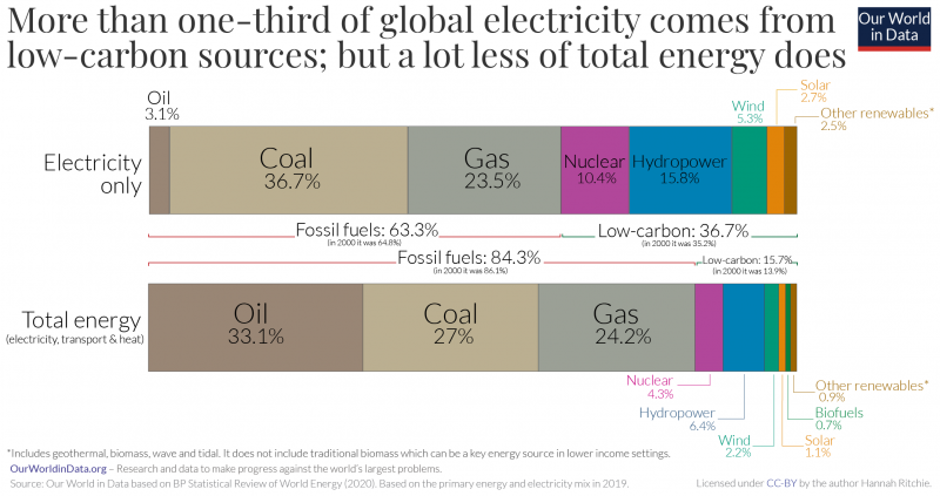
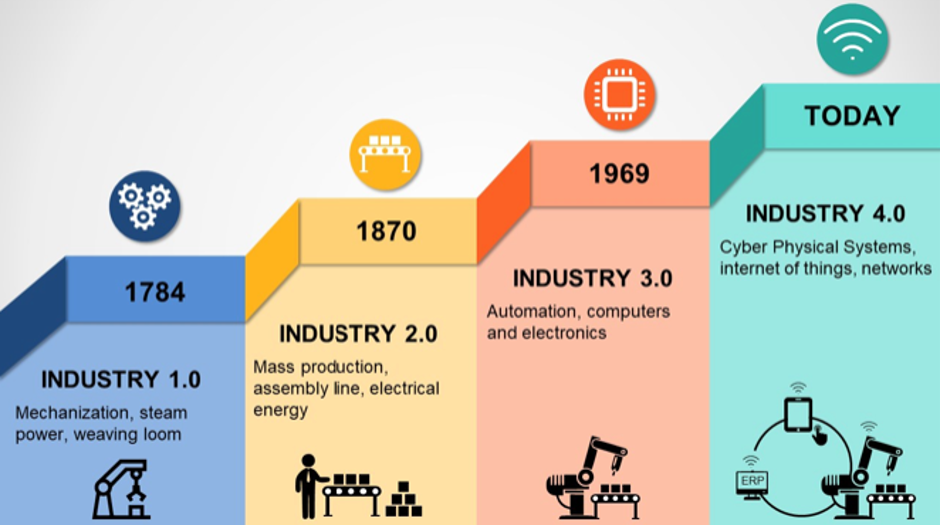
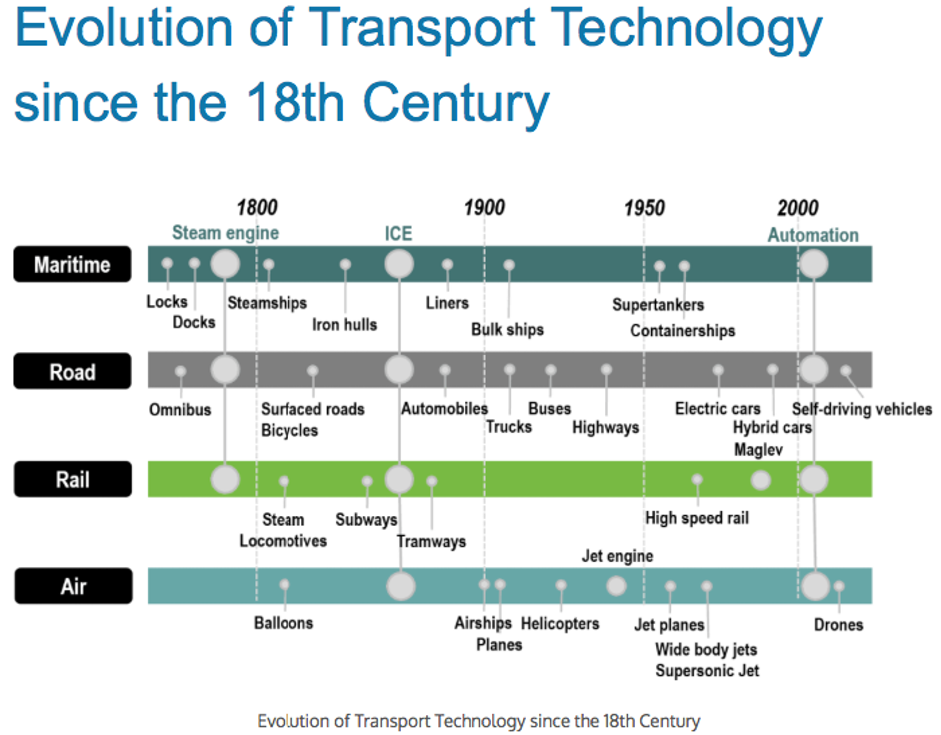
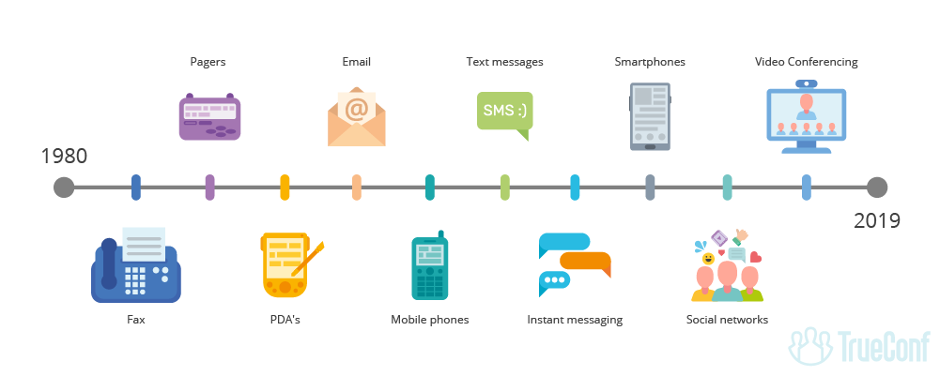



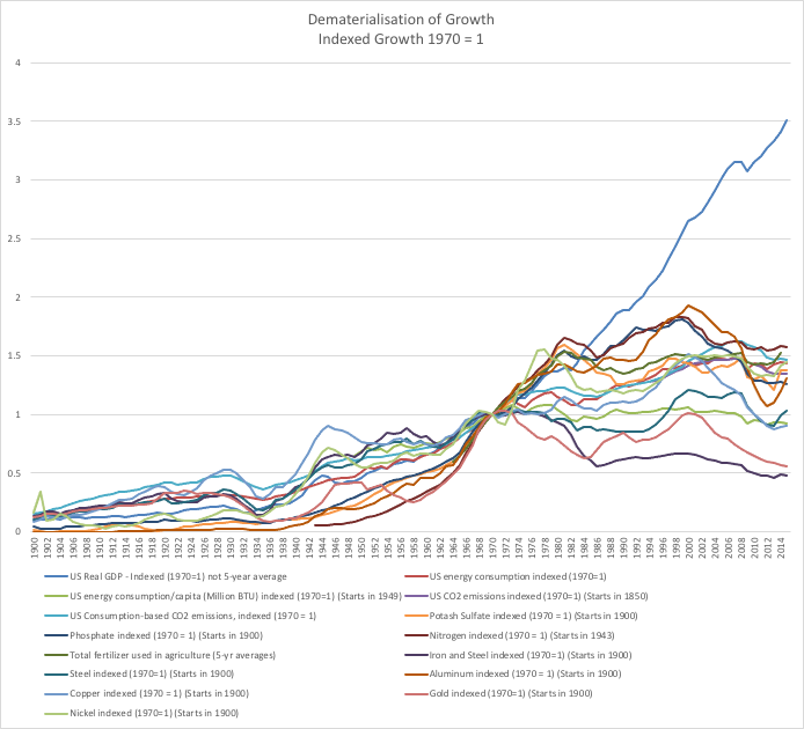

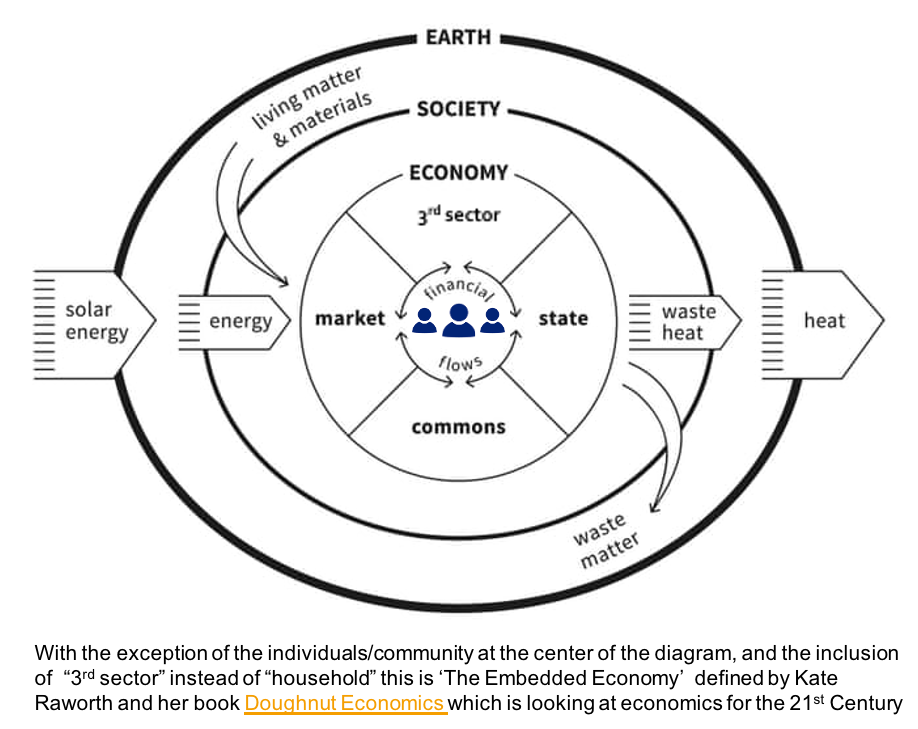
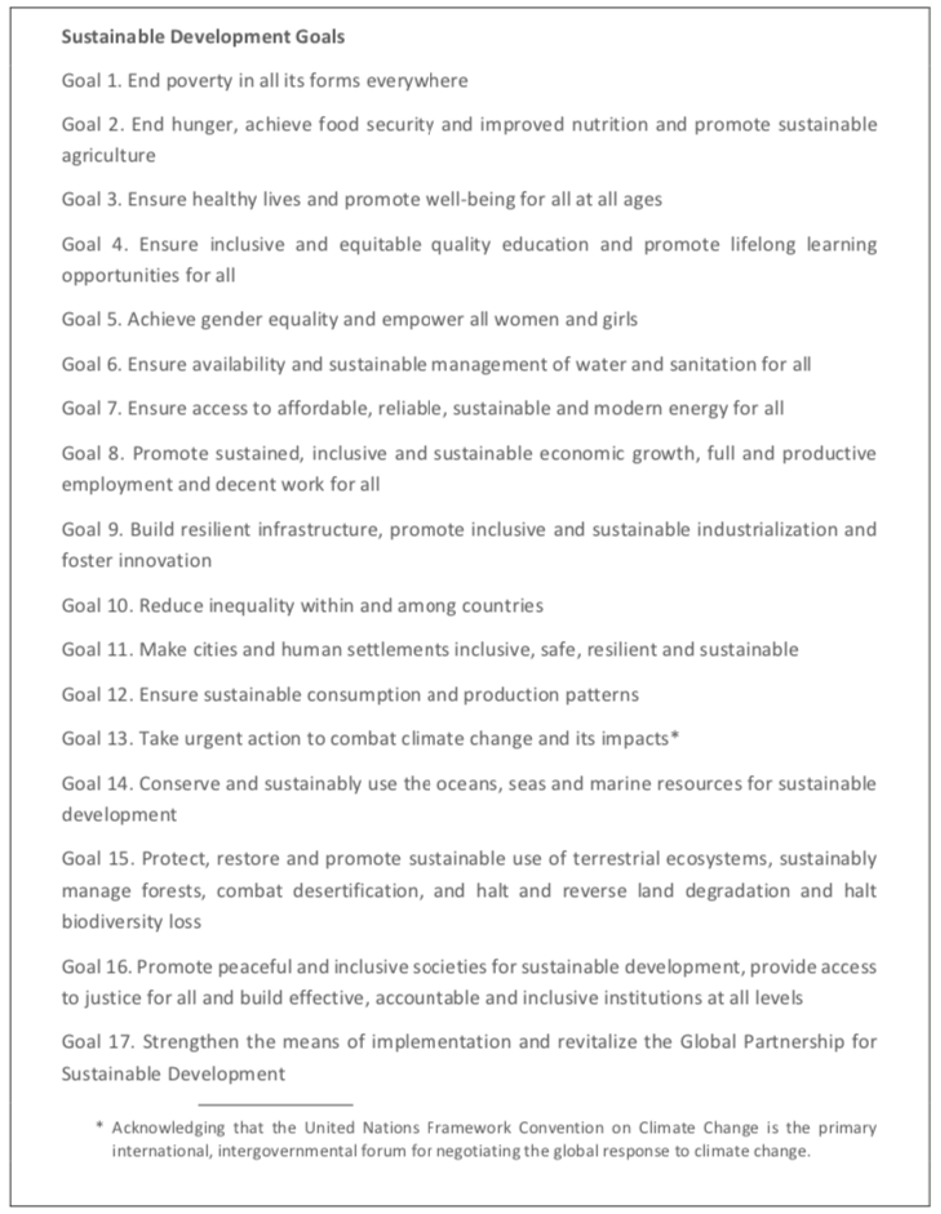
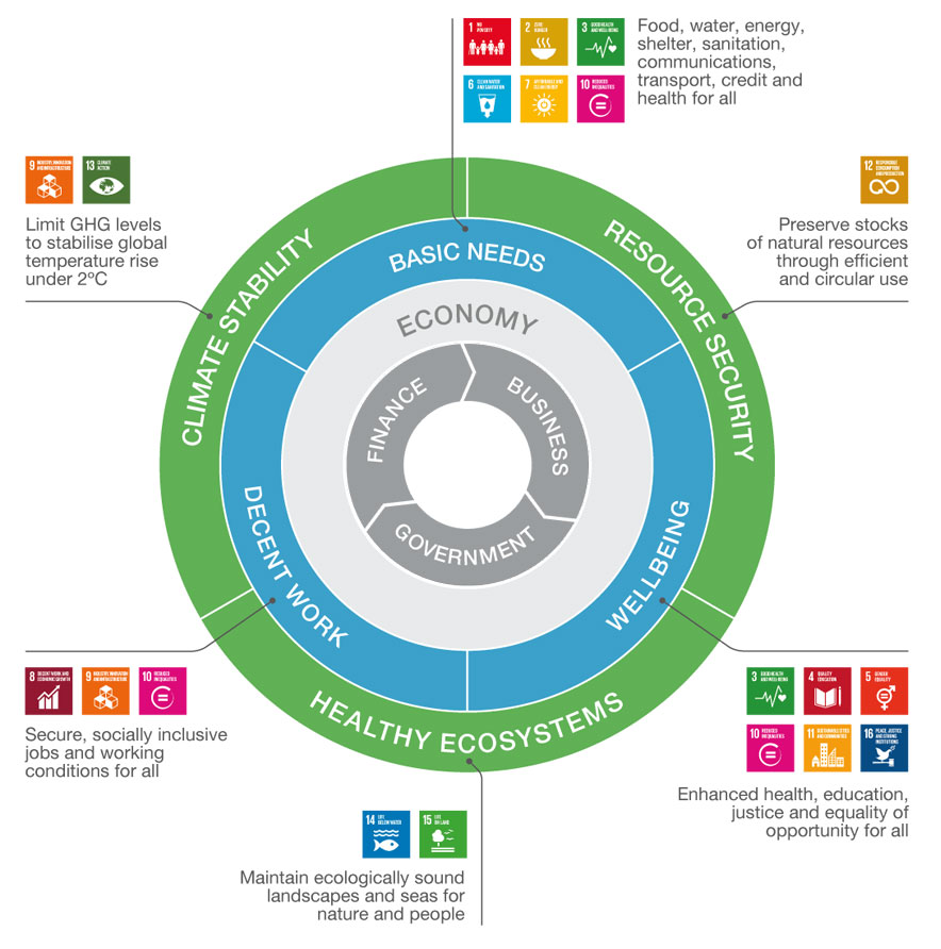


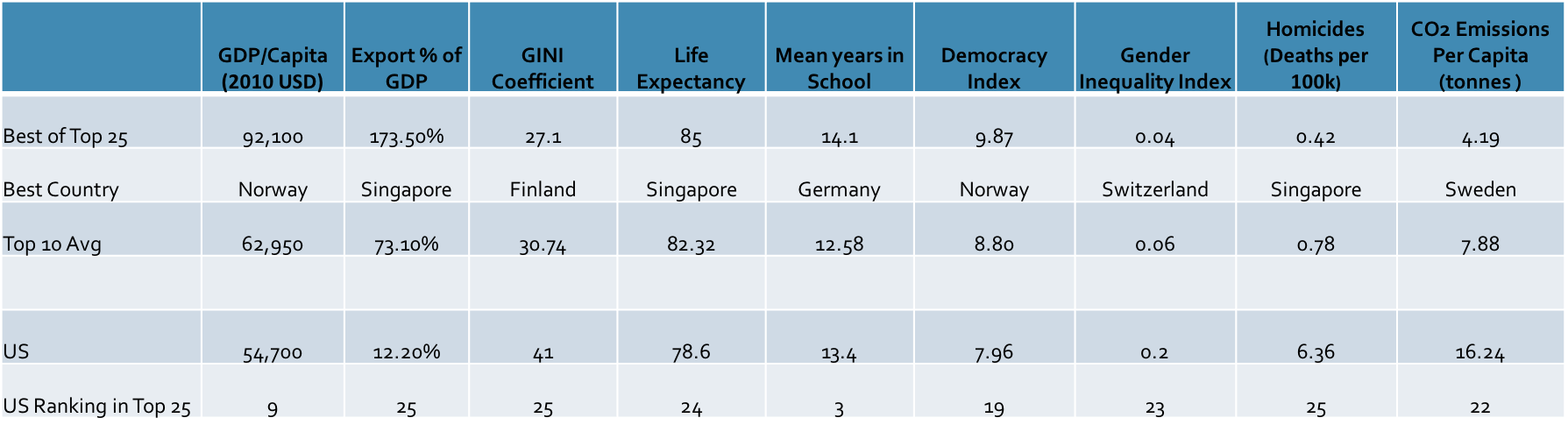



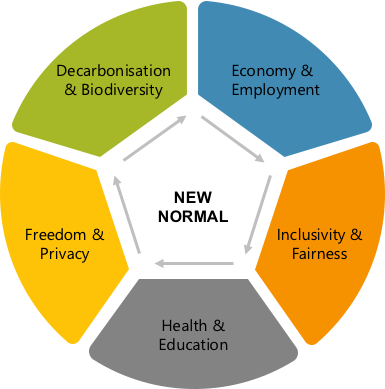
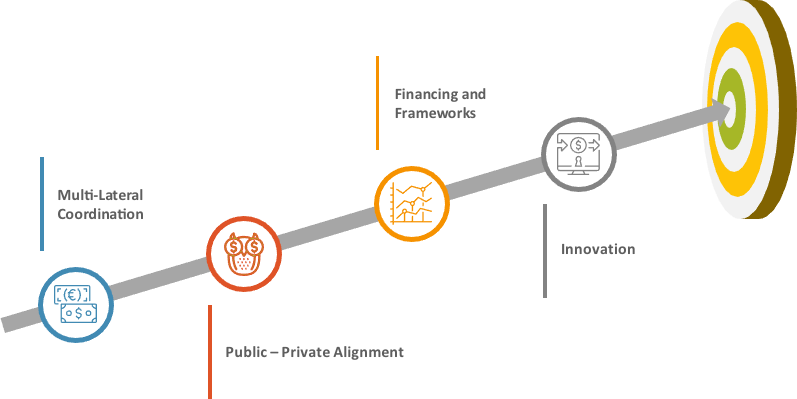

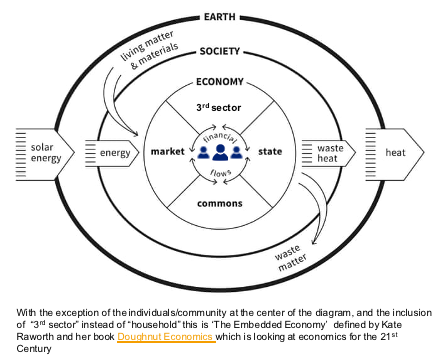
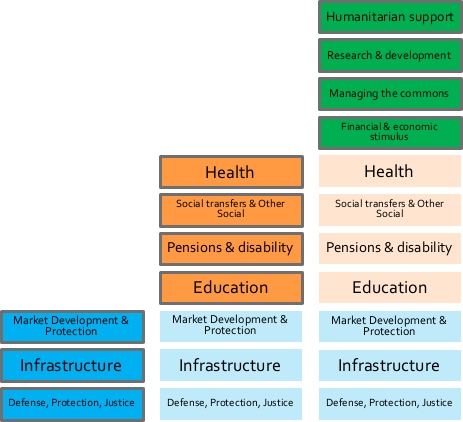

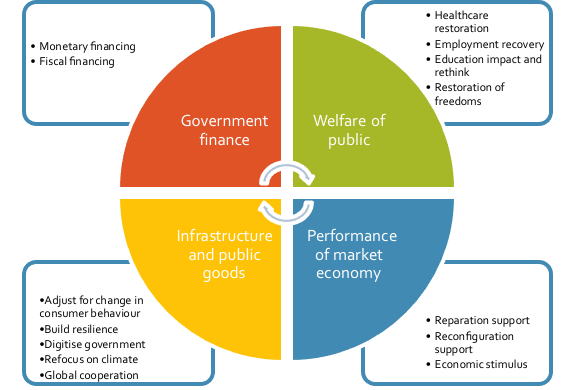



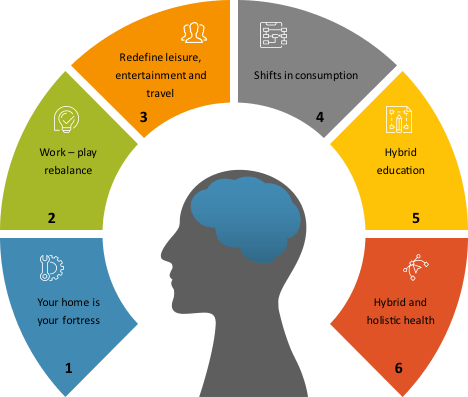
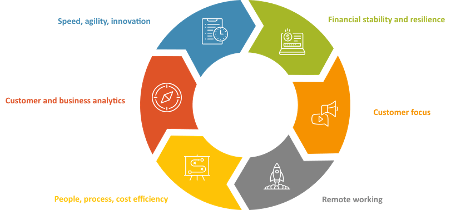
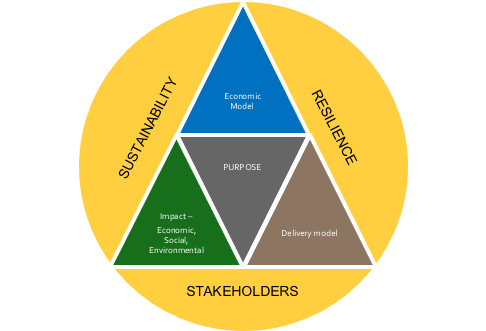


 REBOOT